Contact Us800.325.4180 Quick Order Form

The Case for Fall Planting

by Meg on 10/01/2010
USDA Hardiness Zone Map

Hello to all you warm-zoned fruit growers!

I’m here today to put to rest a prevalent misconception. Today, with the help of our horticultural expert, Elmer, I will debunk the emotional pull of melting snow, warm breezes, flowers, birds, and bunnies! This very day, all you southern growers will leave knowing that FALL — not spring — is your time to plant. Have some doubts? Allow me to explain!

- “warm-zoned” refers to USDA Plant Hardiness Zones 6 – 10, which includes (but is not limited to) the eastern area south of the Mason-Dixon line, the southwestern states, most of California, and the coastal regions of Oregon and Washington.

The Bare Roots

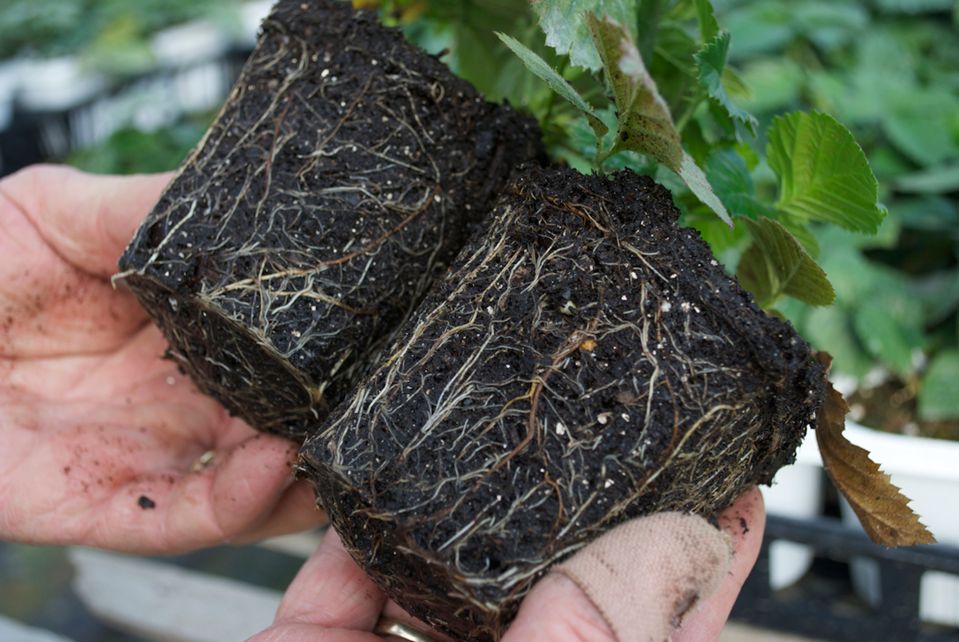
It all starts with some basics of botany: roots. Roots are a plant’s lifeline of nutrients, water and, ultimately, growth. For trees to receive the optimal benefits of this lifeline, their roots need to be securely established in the soil environment. This is very important, especially when the trees are young. Why? Because of the many extreme, and potentially destructive, weather conditions Mother Nature brings, such as biting cold, early frost, strong winds, extreme heat, and drought. Young trees are least likely to survive these unpredictable weather conditions, but their strongest defense is a firmly established root system.

And that, my friends, is the first reason to support fall planting! Says Elmer (our Chief Production Officer and horticultural expert here at Stark Bro’s), fall weather conditions in zones 6-10 are ideal for planting and establishing new fruit trees. These same conditions are beneficial to helping a young fruit tree adapt quickly to its new location. With fall planting, a fruit tree is subjected to less “transplant shock” (i.e.- digging up from one location and replanting in another), and the rain/snow helps to settle in the soil around the tree. Even when the air gets cool, the soil remains warm and the roots of a young fruit tree will grow until the ground freezes. When spring rolls around and the trees are “waking up”, their growth is not delayed by limited moisture or lack of nourishment from a start-up root system.

Why “Dormant”?

My second reason to encourage fall planting is dormancy. You’ve heard the word, but what does it mean and why is it important? Just like bears, trees have their own winter hibernation, when the plants’ systems take a hiatus for a good winter’s sleep. That’s dormancy! And digging, moving, shipping, transporting, and re-planting are all activities best done when the trees have reached this hibernating stage.

Now, planting dormant trees is just as important in the spring as it is in the fall. The risk of spring planting is actually that wonderful, warming weather: the kind of weather that signals the trees to “wake up” and start growing again. Spring weather comes earliest to the warmer zones, so between the winter’s frozen ground and your warming spring, you have a relatively short window to actually plant dormant trees. (The dangers of planting a non-dormant tree are the affects that sudden frost/severe weather may have on its green growth.)

However, fall planting gives you the perfect opportunity to get your trees in the ground while they’re dormant – and they’ll be dormant for several more weeks, at least! So plant those roots when the trees are asleep; allow the roots to firmly establish; and THEN, when the warm breezes and bird chirps tell of spring on its way, you’ll have some very happy, albeit sleepy, trees.

The Best Part

And my last reason for promoting fall planting… is actually a personal one. Laziness. When all your neighbors are out there laboring away in that nice spring weather, you can just sit back, grab a drink and a good book, and relax in the sun! Your planting work is done, and you’ve got your whole spring and summer to look forward to beautiful blooms, new growth, and the delicious fruits of your labor. (Although I bet many of you will be doing more planting in the spring, too. Just a guess. :) )

What To Plant?

If you’re trying to figure out what to consider for fall planting, here are a few Stark Bro’s suggestions — trees and plants perfectly suited for warm-zoned growing!

Apples (for every taste bud)

  1. Ginger Gold®
  2. Cinnamon Spice
  3. Starkspur® Golden Delicious
  4. Granny Smith

Berries (bushes and brambles)

  1. Southern Blueberry Assortment
  2. Southern Blackberry Sampler
  3. Anne Yellow Raspberry

Southern Pears

  1. Blake’s Pride
  2. New Century Asian
  3. Hosui Asian

And don’t forget peaches, pecans, and exotic fruits (like figs and citrus) that are virtually staples of warm climates!

Topics → Planting & Growing, Tips

22 comments on “The Case for Fall Planting

  1. Gerald on said:

    When is the proper time to fertilize? I plant sveral fruit trees las fall and was told not to fertilize @ that time. I have not added any fertilizer since the trees were planted. What type fertilizer is best? Any other issues I need to address?

    We had a very dry summer here in Kentucky and there was not much growth regarding the trees planted last year.

    Thanks,

    Gerald

    • Meg on said:

      Hi Gerald :) Fertilizers have nitrogen in them, which promotes green growth. You definitely want to avoid green growth in the fall; we want the trees to lose their leaves and go dormant before winter sets in. Green growth would frost and freeze with the upcoming winterish weather, damaging your trees. So I’d recommend fertilizing in the spring, after the last frost. You will probably want to stop fertilizing sometime in June, so the trees can use up the remaining nitrogen and be ready for dormancy come fall. Also, because nitrogen is a chemical, if fertilizing continues late into the summer, the heat could literally burn the tree.

      Dry summers require a bit more care with watering, for sure. We recommend 1 in. every 10 days- deep-root watering from rain or a hose. Fertilizing when watering is a good idea, up through June! :)

      What type of fruit trees are you growing?

  2. darryl dowers on said:

    Long Island the southern coast of ct and the east cost south including jersey, and maryland are also Zone 7 .

    • Meg on said:

      Thank you for pointing that out, Darryl! There are many sub-climates around the United States as well, and we could probably dedicate an entire blog post to all the areas that truly make up zones 6-9. :) It’s amazing how different climates can be, based on geography and topography!

  3. Rufus Chappell on said:

    Hello
    Wish to buy in-shell Missouri Hickory, Black Walnut nuts just 1 lb. up to 5 lbs. Not trees.
    Reasons: I had been bought you Missouri Mammoth Hickory and Butternut trees 50 to 60 years ago when I lived in Corbin, KY.
    Because you still have the nuts that you planted the trees.
    Wish to taste Missouri Mammoth Hickory nut to due Huge size than I got small size nuts 50 to 60 years ago and the kernels were so small.
    Would be pleasure to hear the news from you.
    Rufus Chappell

    • Meg on said:

      Rufus, we actually do not sell the nuts, only the trees. So sorry! Do you mean your tree in Kentucky never produced large “mammoth” hickories, only small ones?

  4. Mario on said:

    Reading your article on fall planting,I wondered why living in zone 5 my tree order is being shipped in November.

  5. cyn mcdonald on said:

    if the garden has an inch of mulch
    can my plants reseed themselves and will the baby new plants be able to come up in the spring?
    also is it too late to move my 3 year old peonies this late in the fall- we live in zone 4- mn
    thank you so much -cyn

    • Judy on said:

      Happy Wednesday, Cyn! Thank you for your question about propagating new plants via reseeding. I am sure this will answer questions for a lot of people interested in reseeding.

      There are many factors that affect how successful a plant is in reseeding. The physical environment is extremely important. For a plant to reseed successfully, usually there must be some bare soil for the new seeds to grow in. Certain species of plants will need the soil to have particular nutrients or characteristics for reseeding to be successful. The presence of some substances may prevent a plant from reseeding.

      Which plants are you planing on reseeding?

      It is too late to move your peonies this year. Moving established plants is a simple procedure. Cut the peony stems near ground level in September. Then carefully dig around and under each plant. (Try to retain as much of the root system as possible.)

      Promptly replant the peony in a sunny, well-drained site. In late fall (Nov.), apply a 2-4 inch layer of mulch over the newly planted peonies. Straw is an excellent mulch. Mulching will prevent repeated freezing and thawing of the soil during the winter months that could damage the plants. Remove the mulch in early spring before growth begins.

      I hope this information helps you to get your flower gardens into top shape!

  6. ben on said:

    Hi Meg, You mentioned about fall planting in regions 6 – 9. I live in zone 5 and wondering what is the ideal time fall planting here.

    • Meg on said:

      Zone 5 *is* an ideal time to fall plant, Ben! Elmer talks about those of us who live in zone 5 in his post, “Advantages of Fall Planting” – http://www.starkbros.com/blog/?p=822

      The key in zone 5 is mulching, to prevent frost injury to the roots. What do you have in mind to plant this fall?

  7. JoAnn on said:

    We are wanting to plant a cherry tree and we live in Hickory, NC. Could you tell me if the fall or spring would be a better time to plant? We get pretty cold weather as we are only about 40 minutes from the mountains (Boone). Thanks.

    • Meg on said:

      JoAnn, it looks like Hickory, NC is classified as zone 7A. Fall planting is *perfect* for your area! When you plant a bare root cherry tree in the fall, it will be dormant, probably with no leaves. This is the best state in which to plant, as the roots will be able to put all their focus into digging in & establishing over winter.

      Think of it this way: if a tree is planted in March, the roots will have a month or two to establish before the tree wants to wake up & start growing/blooming. However, if you plant a tree in November/December, you’re giving the roots that many months more to establish in their new environment, making the spring growth that much stronger & easier for the tree. :) Either way works, but when you live in a zone 6 or higher, I would definitely recommend fall planting.

      Which cherry are you considering? Cherry trees are very susceptible to standing water, so be sure to plant them in a very well-drained area. :) Best of luck!

  8. Steve on said:

    I bought 2 filberts…. bareroot..Cassina and Barcelona… but i can’t tell where the soil line was previously ….so i’m not sure how deep to plant them. Any advice would be appreciated!

  9. Brenda on said:

    Hi Steve! We recommend that you dig 2x2x2 foot holes to plant your new trees.

  10. Dan C on said:

    ALWAYS ALWAYS ALWAYS put a metal guard around the trees if you have rodents in your area. I have lost many trees because I neglected this piece of preparation.

    • Sarah on said:

      Thank you for the tip Dan! Rodents and other critters can be very detrimental to your gardens and home orchards. The metal guards work, and sometimes companion plantings discourage destructive animals from getting to your plants and trees as well. For instance, voles dislike bulbs like daffodils so if you plant daffodils around your fruit trees not only will you have an attractive landscape, you will be naturally repelling these unwanted critters! :)

  11. Susan on said:

    I missed this post last fall and therefore lost my opportunity for fall planting, but I love the idea and will be ready for next fall. In the meantime, my blueberries and fig tree have just arrived, but I’m hesitant to plant them since we may still get a few frosts during the end of February and even March (I live in zone 7A). Is it really okay to plant now, or should I hold off for a few days or even a few weeks?

    • Sarah on said:

      Hello Susan :) You may certainly hold off planting your blueberries and fig in the yard if you’re worried about late frosts. You can simply keep them indoors and care for them (water them, allow them light) in pots until you are ready to plant them outside!

  12. Pedro on said:

    I am planting a due to heat dormant tree in August. Do I need to use Myke and root stimulator or am I just better off digging the hole and putting the tree in it without any amends? It is a maple tree. Thank You

    • Sarah on said:

      I’m not too familiar with Myke® specifically, but I do know that Mycorrhizal Fungi are an excellent natural root-stimulator, so there would be no real harm in amending your soil with that. I have heard that their symbiotic relationship with plant roots can be disrupted if there are other fertilizers applied, though (the fungi will feed on this instead). You shouldn’t fertilize after July anyway, to avoid pushing growth when your new maple tree should be going dormant. I hope this helps, Pedro! :)

Leave a Reply

Your email address will not be published. Required fields are marked *

*

50,108 Spam Comments Blocked so far by Spam Free Wordpress

You may use these HTML tags and attributes: <a href="" title=""> <abbr title=""> <acronym title=""> <b> <blockquote cite=""> <cite> <code> <del datetime=""> <em> <i> <q cite=""> <strike> <strong>