Contact Us800.325.4180 Quick Order Form

Weeding Out Common Growing Myths
by Stark Bro's on 08/13/2012
echjhhdf

Some people have had gardens and orchards in their families for generations. Experience, knowledge and wisdom have been handed down to them from the time they were small. However, if you are new to the “grow your own” movement, there’s a good chance you may have questions or need a little encouragement. Naturally, you are likely to turn to the most easily available resource — the Internet. Unfortunately, many of the “answers” you find online aren’t reliable or rooted in reality.

Below, we have listed and debunked some of the most common growing myths.

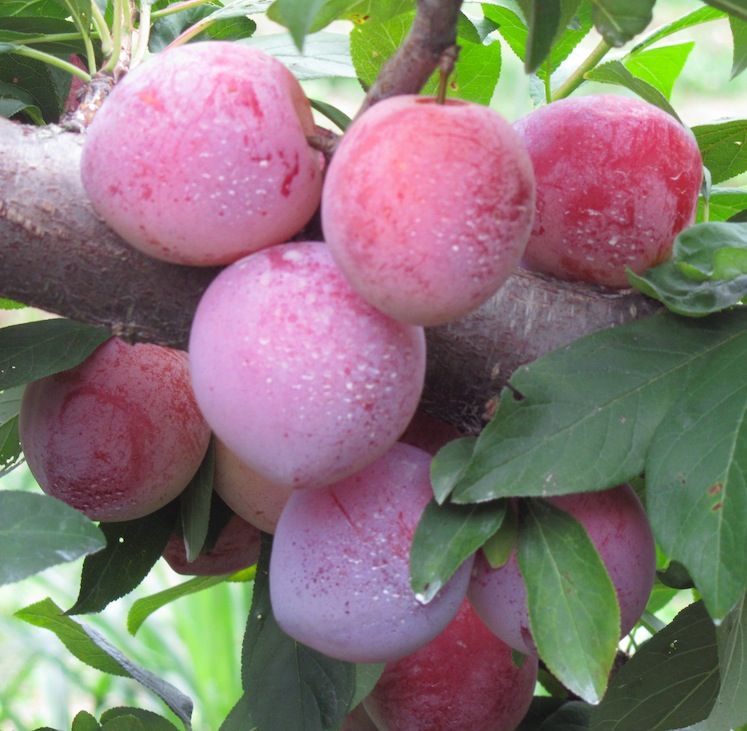
“A fruit tree will die after it has a bumper crop.”

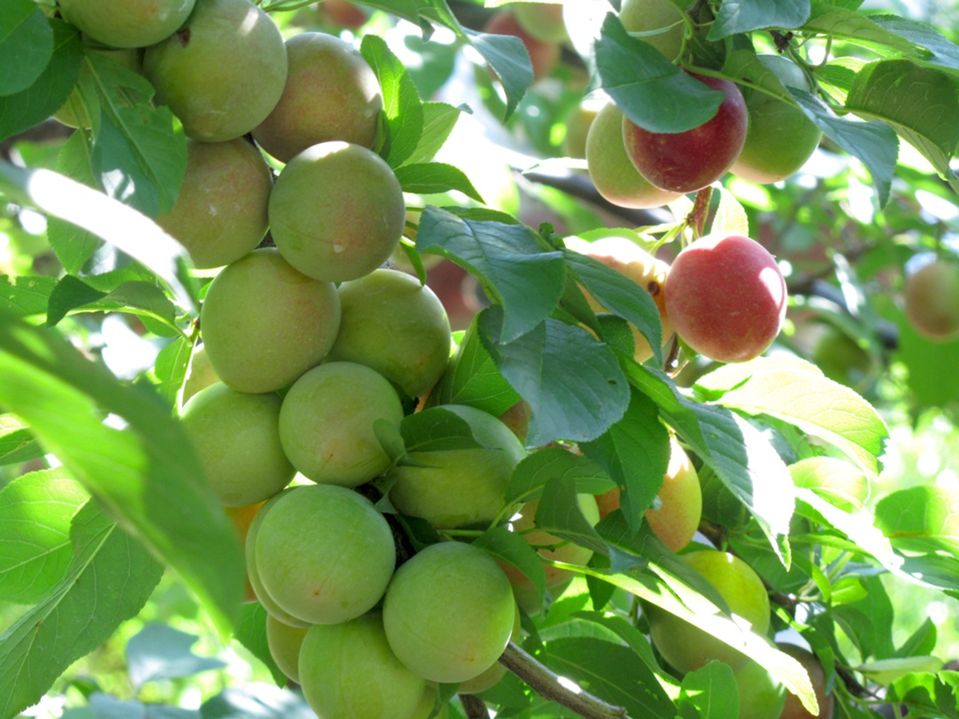
While some fruit trees might rest the following year to recuperate and store nutrients needed for fruit production, producing a bumper crop does not directly deliver demise. Even after bumper crops, fruit trees continue to live and produce in future years!

Plum Bumper Crop

Plum Bumper Crop

“More fertilizer means more flowers or fruit.”

Most fertilizers are high in Nitrogen, which encourages vegetative growth (branches and leaves) but actually deters blossom production. Over-fertilizing is not encouraged.

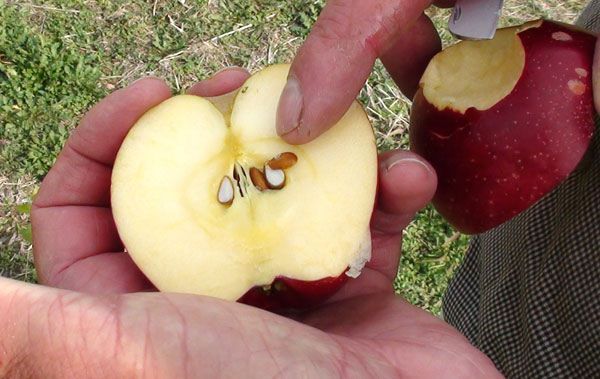
“Cross-pollinated varieties will produce hybrid fruit.”

Most trees require cross-pollination to produce fruit, but any resulting hybrid characteristics from this cross-pollination would only occur in the seeds of the fruit. Hybrid fruit could only result from planting those hybrid seeds and eventually getting fruit from future seedlings. However, seedling trees don’t always produce viable fruit, so there is a good possibility you might never see any hybrid fruit at all. To learn more about seedlings and their differences with grafted trees, check out our article, The Science of Grafting.
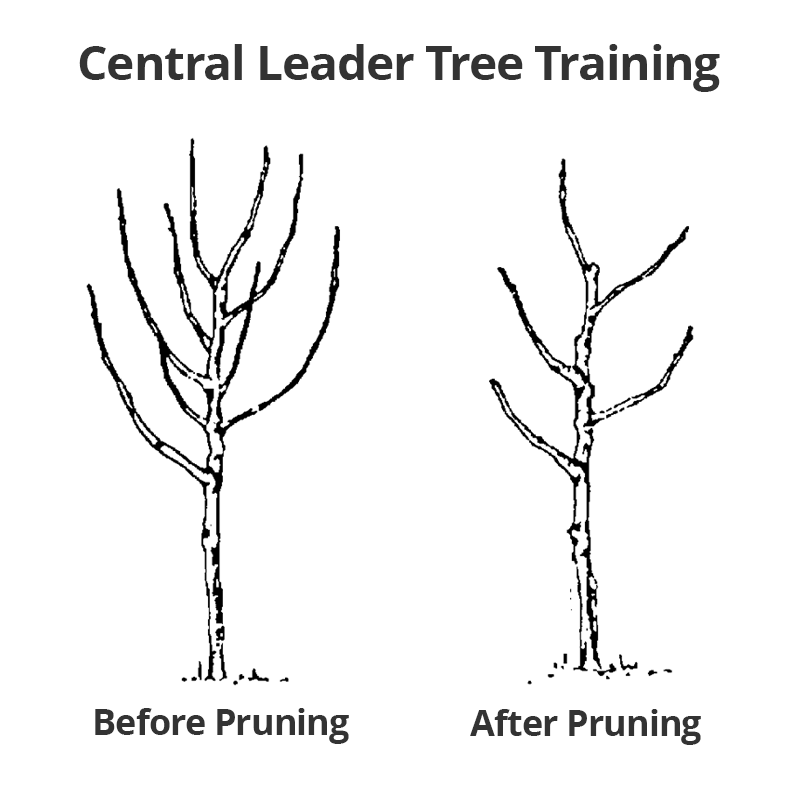
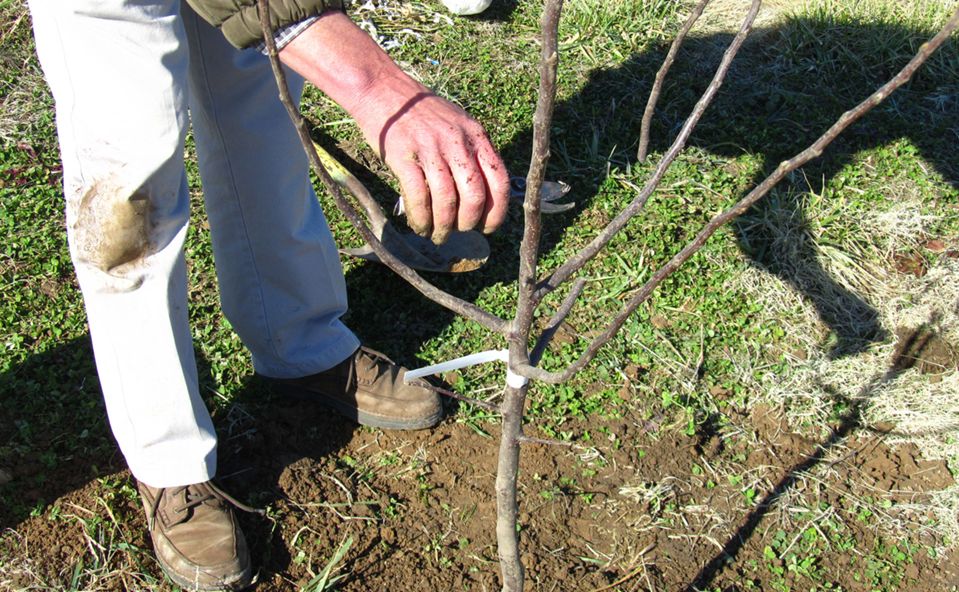
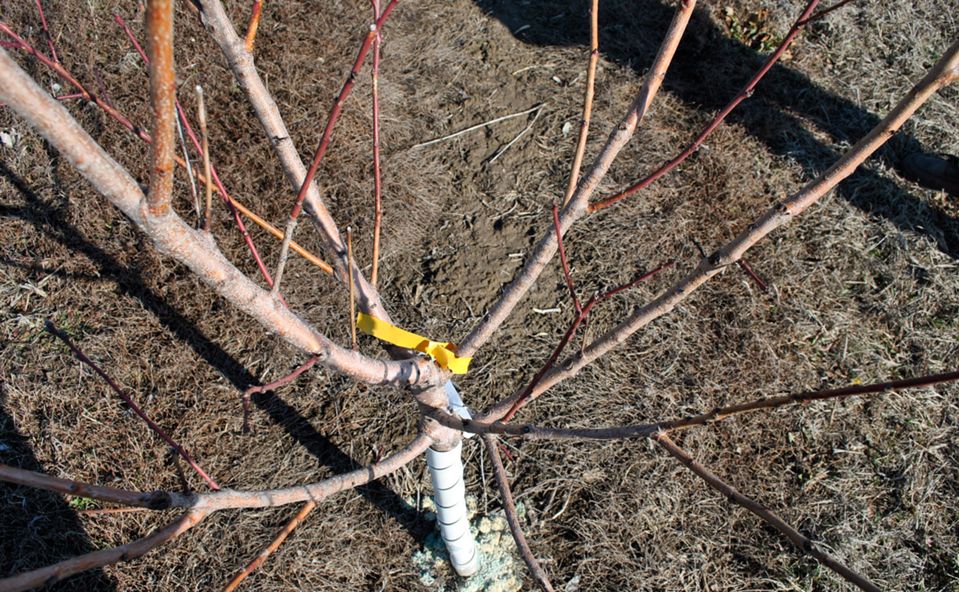
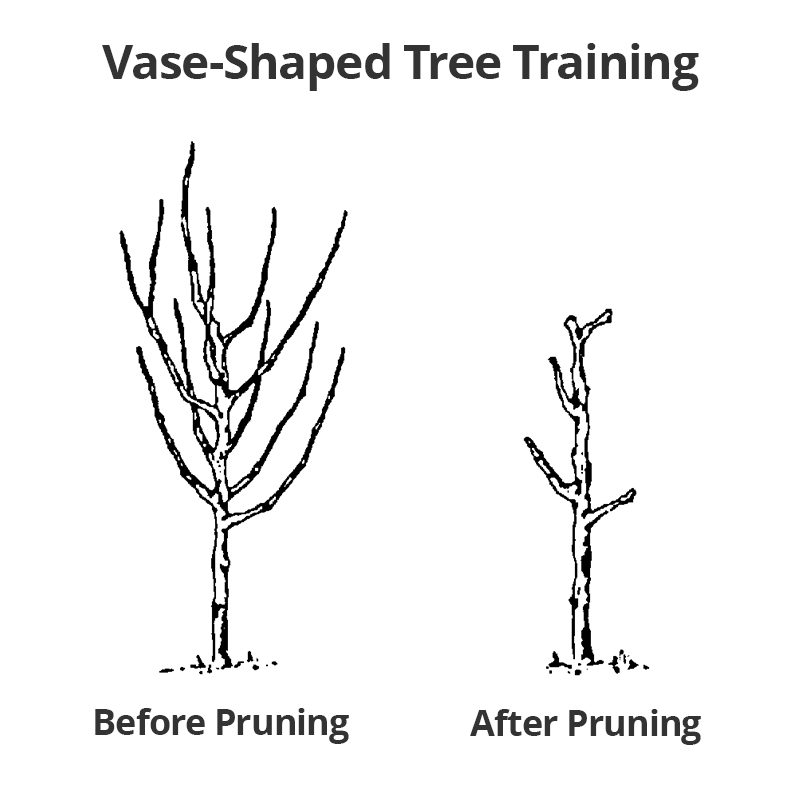
Pruning Forms

Pruning Forms
(click to view)

“Pruned trees take longer to grow.”

Pruning actually encourages growth! This process eliminates weak, “leggy” growth that is not structurally beneficial and helps create a balance between fruiting wood and vegetative wood, so that you can avoid these potential issues:

  • Too much fruiting wood — not enough vegetative wood to absorb nutrients and support numerous fruit.
  • Too much vegetative wood — not enough fruiting wood to be a productive fruit tree
Find out more about how pruning creates balance and encourages growth in our article, Pre-Pruning Fruit Trees, which also features a helpful video.

Black Raspberry Plant

Black Raspberry Plant

“Blackberry plants cannot be planted near raspberry plants.”

This myth is the result of confusion between blackberry and black raspberry plants. Blackberries are in the clear; however, black raspberries should not be planted within 75-100 feet of any other berries, because they are more susceptible to viral diseases (like Raspberry Mosaic Disease) that can be carried from adjoining plants.

“Trees that receive the same care should grow the same.”

Trees, like people, are unique and should be treated and cared for individually. Trees of the same type or age that are planted at the same time may grow at different rates. This is normal! Another thing to keep in mind is that no two planting locations — not even in the same yard — are identical.

Soil elements can have a different composition from one spot to another and drainage may vary. It is highly recommended that you become familiar with your soil prior to planting. A great place to start is your local county’s Cooperative Extension System Office. This is an excellent resource that will be able to provide a soil test for you for a small fee.

You might have heard some of these gardening and growing myths, too, so hopefully, this article has helped to ease your mind and put them to rest. Can you think of any gardening or growing myths that aren’t listed here? We’d love to hear them!

Topics → Planting & Growing

30 comments on “Weeding Out Common Growing Myths

  1. dawn on said:

    How many years dose a peach tree take to produce preaches?.and I understand I t takes across pollennation is that two or maybe 3 trees

    • Sarah on said:

      Hi, Dawn. :) Peaches take about 2-4 years to mature and bear fruit after you plant them in your yard. You can find out more about years to bear in our article, How Many Years?.

      As for pollination, peach trees are self-pollinating (meaning you can get fruit from just having one variety planted) but, like any other fruit tree, it tends to produce best with at least one other different variety peach tree to cross pollinate with.

      • glynnes on said:

        Hi, Sarah:
        My Starkbros baby peach tree flowered and “made” a dozen peaches the spring after its fall planting.

        It is so healthy and big. With watering each week in the drought, is leafy, green and about 7 feet tall.

        Maybe because we had no winter?

        Thank you Stark Bros for the vigorous plants that are glad to be alive.

        • Sarah on said:

          Dormant/chill hours (usually accumulated in the winter) help for the quality and production of fruit in most trees. Peaches have a low requirement for these hours, but I had the same experience as yours with my own young peach tree! (Well, I only go one peach off of it, but it was not quite a year in the ground at the time either.)

          Thank you for sharing your experience with us, Glynnes, it’s great that your peach is being such a trooper this harsh year. :)

  2. Betty Hicks on said:

    I have cedar rust on all of my 6 small fruit trees is there something I can get to get rid of it? there are a lot of cedar trees in the area.

    • Sarah on said:

      Are these trees apple trees, Betty? It might be something else if there are other types of fruit trees affected in your home orchard. Many experts believe the best method of control is to plant cedar-rust resistant apple varieties and remove the neighboring cedar trees because there has yet to be an “effective” chemical control for this issue.

      Have you tried contacting your local County Extension Service? They will be able to provide information on what is going on with your fruit trees and what is recommended for your area. :)

  3. John R on said:

    I had loads of blossoms the year after planting. Peaches bloom on two year wood so it makes sense. Unfortunatly there was a heavy frost NJ state wide and the fruit set died. I read fruit trees will adjust to your locatity in a couple of growing seasons so I’m hoping to get something in 2013.

    • Sarah on said:

      This was a difficult year for new/young trees to handle but, as your peach tree matures, it will develop a feel for the environment it is growing in.

      A lot of our fruit production here was halted because of late frost this past spring, too. We’re right there with you, John; looking forward to a kinder 2013. :)

  4. Daisy Boyd on said:

    I have a black fungus (?) infesting several o f my dwarf fruit trees, which are from three to six years old. Pears, pie cherry, peaches and damsons affected. Not the apples.

    I was unable to apply dormant oil the last two years, because of temperature and wind conditions.. What can I do now? I am afraid I am loosing my trees.

    Thanks for any help you can give.

    • Sarah on said:

      Hello, Daisy. Would you be able to send us any photos of your trees [to info@starkbros.com] with the black fungus on them? It will be helpful for us to identify what is affecting so many different types of fruit tree. Also, how has this infestation affected the trees (defoliation, stunted growth, etc.)?

      Another option would be to contact your local County Extension Service because they will be able to send someone out to have a look at your trees, in person (or request that you send in a specimen sample), and they’ll be able to advise you on what is going on and how to control it. :)

  5. greenwood on said:

    Spray fruit trees with Daconil in the spring every week or 10 days covering the period when the spores are released from junipers, cedars, etc. Since you don’t know when this (varies from year to year with weather) is exactly you will need to spray at least twice and probably 4 times.

    • Sarah on said:

      I believe this is a response to Betty Hicks (above). Daconil appears to be a fungicide, and cedar rust is caused by a fungal spore in both cedar and apple trees. Have you had much success with this as a control for cedar rust, greenwood? Most horticulture experts believe the best control method is to plant resistant varieties and remove nearby cedar trees.

  6. marc on said:

    The 2 Apple trees I planted 3 years ago have grown very little and are not producing. What can I do to encourage growth?

    • Sarah on said:

      Hi, Marc. Apple trees, depending on maturity, usually take about 2-5 years before they begin bearing fruit. How large are your apple trees in height and also trunk width compared to when you planted them?

      It sounds like you have concerns with how much they’ve developed in the past 3 years, so maybe the soil where they are planted is lacking essential nutrients. It might be ideal to get a soil sample tested by your local County Extension Service so that you have an idea of what your trees might be lacking. Fertilizing may help, but you will want to wait until the spring to begin fertilizing again — it would be harmful for the trees to try to grow when they should be getting prepared for dormancy in the fall/winter. Fertilizers can only do so much, so it is best to have an understanding of the soil in which they’re planted as well. :)

  7. John R on said:

    Cedar Apple Rust can be controlled by Spectracide Immunox. I know Lowes carries it. Don’t buy the Immunex Plus. It’s not listed in the State Ag Extention sites.The main ingrediant is Myclobutnil. (my spelling is poor.) It is rated tops for the big three (Scab, Cedar AR and Powdery Mildew). It is also good for the Stone Fruits as well. But you need to spray it and some don’t like chemical sprays. So Sara’s suggestion is best where you plant resistent varieties. However a bad event could still infect resistant trees. Look inside the cedar trees for small orange star looking balls. That is the “Galls” that cause it. Each one has millions of spores. You could try to remove them if not too many. So a pint jug of Immunox consentrate for around $15.00 is not a bad investment. You would only use less than an a fl.oz. per gallon of spray. In fact, it has been so good that a resistant Scab had developed in several NY Orchards by over use. (it is known as Rally and the old name Nova.) So only use it when needed for cedar apple rust and powdery mildew. The best times to apply can be found in/at your locality by contacting your counties Ag Extention Office. For scab, use captan. That is a primary funguside and there is no resistance for it. Captan can be found in Stark Bros. Bonide Fruit Tree Spray. There’s also a mild insecticide with it’s formulation. Daconil is good for stone fruits but not listed for Pome fruits (apple). The primary Daconil ingediant is Clorathanil. (Again, spelling) Good luck.

  8. John R on said:

    Sarah, your welcome. I know how hard it is to get information other than planting manuals. I don’t know anyone who grows fruit trees besides myself and some farmers at local roadside fruit stands are tight lipped. I guess I can’t blame them since they don’t know me. So, I pour over internet sites to learn about growing and maintaining fruit trees. I avoid non-college ag sites because they sometimes have misinformation where the college sites have tested everything they say and publish their information. Each state has sites on home fruit orchards. Even recommended varioties to plant in your envirement. There’s spray schedules, local insects, pesticides, funguscides, organic methods etc. it’s endless. Each also have their commercial fruit guides in PDF that have in-depth coverege about everything related to fruit. There’s even a shared site between Cornell, NY and Rutgers, NJ where it records the weather and tempatures (user selected) and then predicts infections and spray days for scab, Cedar AR, Powdery Mildew, Fireblight, and insects like Codling moths, Apple Maggets, Or Fruit Moths, Peach Tree Borers etc. Amazing “FREE” information that can be gathered by us rookies.

    Oh, about my peach comment above, I meant to say “! Year Wood” has the fruiting blossoms.

    Take care, J

    • Sarah on said:

      Thank you again for your insight. There are many reliable free sources for growing and care information. We try to encourage utilizing the local resources like Cooperative Extension System Offices, so that the advice is more fitted to individual areas, as environments can greatly vary!

      It’s not widely-common knowledge (yet) so when I see people like you who use resources like these, I’ll admit, it brings a smile to my face. :D

  9. Latrisha on said:

    If you plant during the winter months, do you still need to use root starter to get them going, or wait till spring to put that on them?

    • Sarah on said:

      Excellent question Latrisha — Since root starters are intended to encourage growth, and plants and trees aren’t using energy to grow during their dormancy, it would probably be best to use that (and fertilizer) in the spring once things start waking back up.

  10. Janet on said:

    I am about to order 5 fruit trees, a 2N1 plum tree, a 2n1 apple tree,a 2n1 cherry tree, a apricot tree, and a nectarine tree, all dwarf size. I have already dug the holes, but still have to get soil prepared, the trees will be planted about 20 feet apart, but in a row, east to west direction. My question is: In what order should I plant these trees, do some trees do better next to each other, or should some of the above trees listed, be planted further away from each other? Like companion planting in a veg. garden. I already have mature fig trees growing in that area to the south of where I will plant the above listed fruit trees. I will be getting these trees delivered early in Dec, so I am in a hurry for some answers. Thank you.

    • Sarah on said:

      There really isn’t an order that these trees should be planted, Janet. They are pretty friendly, so there are no issues having them planted near one another and they don’t need to be separated either. The plum, cherry, apricot, and nectarine trees are all fairly similar (fruiting and other habits) while the apple is a little different, but not different in a way that will determine the planting order.

      Since you’re free to be creative, you could take advantage of your 2-N-1 trees. They will add unique visual interest to your planting scheme anyway. No matter what you decide, I can’t help imagining just how great your new fruit orchard is going to look! :D

  11. devra on said:

    i’m curious about “planting myths” because i’ve been having an ongoing discussion with my gardener about what trees to order for a small orchard we are planning. she is concerned that dwarf trees will produce later than semi-dwarf trees and that it is better to get semi-dwarf and then prune them appropriately if size is an issue. any thoughts?

    • Sarah on said:

      That’s kind of an unusual myth, Devra! I can’t say I’ve heard that one before. I’d ask your gardener why she thinks dwarf fruit trees will produce later than semi-dwarf ones. Production depends on the maturity (establishment, trunk girth, etc. — not height) of the fruit tree, and a lot on the nature of the type of tree itself. For example, peach trees will fruit on second-year wood, which would be the case for any-sized peach tree, from dwarf to standard.

      Dwarf fruit trees are ideal for the gardener with not-a-lot of space who wants to be able to harvest a majority of the fruit without needing a ladder to reach it. Semi-dwarf trees are excellent if you have the space for them, but if you’re only going to prune them back to dwarf heights anyway, it seems silly not to plant dwarfs instead!

  12. jesse on said:

    i planted 12 apple trees back in march and they are all doing great the blueberry bushes too.they all seem to like their new home.some of the apple trees and some of the blueberry bushes have blossoms on them.do i need to pick them off or can i let them grow.i have heard it puts stress on them the first year of planting if they try to bear fruit. thanks so much for selling great trees aand plants

    • Sarah on said:

      Thank you for the kind words, Jesse! Great job taking care of your new apple orchard and blueberry patch. :) You’re right — we recommend pinching off the flowers the first year you plant these plants and trees, since they should be putting their energy into getting established in their new home rather than trying to bloom or set fruit.

      • jesse on said:

        i have another question i read that you shouldnt fertilize your trees the first year so they can acclimate to the soil where you planted them is this true or should i give them some tre pep thanks for your help

        • Sarah on said:

          The best way to know if you need to fertilize is to have a soil test done. Your local county Extension should be able to provide this service for a small fee, but your local garden center will most likely carry a soil testing kit so that you can do one yourself. Some locations don’t require the regular use of fertilizers, especially if there is a naturally high amount of nitrogen.

  13. Bonnie on said:

    Greetings from Howell, MI!
    I am about to plant my golden raspberries and wonder if I need to be concerned with cross-pollinating them by planting the too close to the red raspberry bushes. Should I plant them a certain distance apart?

    • Sarah on said:

      Hi Bonnie! Cross-pollination isn’t something that you have to worry about affecting the fruit from your raspberry plants. When two different raspberry varieties cross-pollinate, it will usually encourage more fruit on those plants. Any actual crossing of genetics would take place inside their seeds.

      If you tried to plant the seeds from your cross-pollinating red or gold raspberry varieties, then the raspberries on those seed-grown plants would have the genetics of both varieties due to cross-pollination. From seed, they might have traits from either/both parents, or unknown traits from their genetic history!

      The fruit on your current red and gold raspberry plants will still remain true to those varieties, so you can plant them near one another (usually about 4-5 feet apart to account for mature plant size). :)

Leave a Reply

Your email address will not be published. Required fields are marked *

*

49,773 Spam Comments Blocked so far by Spam Free Wordpress

You may use these HTML tags and attributes: <a href="" title=""> <abbr title=""> <acronym title=""> <b> <blockquote cite=""> <cite> <code> <del datetime=""> <em> <i> <q cite=""> <strike> <strong>