


Sunflower Pawpaw Tree

Description
Sunflower Pawpaw (Asimina triloba) produces a flavor experience unlike anything else grown in American home orchards — large, 3–6 inch fruits with greenish-yellow skin, buttery creamy flesh, and a taste that’s genuinely reminiscent of banana custard with hints of vanilla and tropical fruit. The largest fruit native to North America, the pawpaw has been prized by Native Americans, early explorers, and devoted backyard foragers for centuries — but its perishability means it has never been commercially viable, and the only way to experience truly ripe pawpaws is to grow them yourself. Sunflower, developed at Kansas State University, is a reliable and productive named grafted selection that bears in just 2–3 years. Late September to early October ripening in Zones 4–8. A pollinator is required.
Banana Custard Flavor — Unlike Anything Else in the Home Orchard
There is genuinely no other fruit that tastes like a pawpaw. The creamy, buttery flesh with its banana-custard richness, vanilla undertones, and tropical sweetness creates a flavor experience that surprises and delights every first-time taster — and converts them into devoted growers. The few seeds in Sunflower’s fruit mean more edible flesh per pawpaw, and the large 3–6 inch size means each fruit is genuinely substantial. Eat fresh off the tree at peak ripeness, blend into smoothies and ice cream, or bake into custards and quick breads where the tropical character shines.
The Largest Native Fruit in North America — With a History
The pawpaw (Asimina triloba) is native to the eastern United States, where it has been a valued food source for thousands of years. George Washington reportedly loved chilled pawpaws for dessert. Lewis and Clark relied on them when food was scarce on the expedition. The reason most people have never tasted one is simple: pawpaws ripen quickly and don’t ship commercially. Growing your own is the only reliable path to experiencing this remarkable fruit.
Grafted, Bears in 2–3 Years — Kansas State University
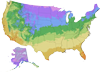
Sunflower was developed at Kansas State University and is available as a grafted tree — meaning consistent, named-variety quality from the first harvest forward and bearing in just 2–3 years rather than the 5–7 year wait of seedling trees. Cold-hardy to Zone 4, tolerating partial shade to full sun, and naturally pest and disease resistant — pawpaws have very few enemies in the garden.
Why Growers Choose Sunflower Pawpaw
- Banana custard flavor — genuinely unlike any other fruit you can grow
- The largest native fruit in North America — 3–6 inch fruits with few seeds
- Only available tree-ripened from your own planting — can’t be bought commercially
- Kansas State University development — proven named grafted variety
- Bears in just 2–3 years — faster than most pawpaw varieties
- Cold-hardy, naturally pest-resistant — low-maintenance in Zones 4–8
Survival Guaranteed!

Since 1816, Stark Bro’s has promised to provide customers with the very best fruit trees and plants. It’s just that simple. If your trees or plants do not survive, please let us know within one year of delivery. We will send you a free one-time replacement, with a nominal shipping fee of $9.99. If the item in question is not available, we can issue you a refund. Read more about our warranty policy.
Characteristics
| Characteristic Name | Value |
|---|---|
| Bloom Color | Purple |
| Fruit Color | Yellow Green |
| Fruit Size | Large |
| Hardiness Zone Range | 4 - 8 |
| Pollination | Pollinator Required |
| Ripens/Harvest | September To October |
| Shade/Sun | Partial Shade - Full Sun |
| Characteristic Name | Value |
|---|---|
| Soil Composition | Loamy, Sandy |
| Soil Moisture | Well Drained - Moist |
| Soil pH Level | 6.0 - 7.0 |
| Taste | Banana-like |
| Texture | Creamy |
| Years to Bear | 2 - 3 |
Size & Spacing
Mature Size
Recommended Spacing
Zone Compatibility
Pollination
This variety requires another one for adequate pollination.
Tools & Supplies
Planting & Care
Learn all about how to grow pawpaw trees in The Growing Guide. An entire section of our website dedicated to your growing success.