
 Options

Hall's Hardy Almond Tree

Description
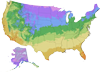
Hall’s Hardy Almond grows wherever peaches thrive — a practical guideline that opens almond growing to a much wider range of American home orchardists than California varieties can reach. The late bloom timing that gives it its “Hardy” name is the key: by blooming later in spring, Hall’s Hardy largely avoids the late frost events that damage early-blooming almonds across much of the country. The result is large crops of crunchy, bittersweet almonds in late September from a tree that’s as beautiful as it is productive — covered in lovely pink flowers in spring and loaded with large, hard-shell nuts in fall. Self-pollinating, organic options available, and reliable across Zones 5–8.
Grows Wherever Peaches Thrive — The Hardy Almond for Eastern Orchards
California almonds require 250–400 chill hours and warm, dry, mild winters — conditions that exclude most of the eastern United States from almond growing. Hall’s Hardy changes that equation. Its cold hardiness and late bloom timing make it viable for the same climate conditions that support successful peach growing across Zones 5–8 — a meaningful expansion of where homegrown almonds are genuinely possible. If you can grow a peach where you live, Hall’s Hardy Almond is worth trying.
Bittersweet Kernels — A Distinctive Almond Character
Hall’s Hardy kernels have a bittersweet character that distinguishes them from the purely sweet, mild California almond varieties. That slightly bitter, more complex flavor makes them particularly outstanding for baking applications where the almond character needs to hold up against other strong flavors — in biscotti, tarts, and almond-flavored confections where a more assertive almond presence is exactly what the recipe calls for.
Late Bloom — Spring Frost Protection
The late bloom timing is Hall’s Hardy’s most important practical quality for eastern growers. Almond flowers are among the most frost-susceptible of any tree crop — and early-blooming varieties lose their crops to late spring frosts far more often in the East than in California. Hall’s Hardy’s delayed bloom moves the vulnerable flowering period later in the spring calendar, meaningfully reducing frost damage risk across the colder parts of its zone range.
Why Growers Choose Hall’s Hardy Almond
- Grows wherever peaches thrive — viable for Zones 5–8 eastern orchards
- Late bloom timing — natural spring frost avoidance
- Bittersweet kernels — distinctive flavor outstanding for baking
- Large crops of crunchy almonds — late September harvest
- Lovely pink spring flowers — beautiful ornamental display before the harvest
- Self-pollinating, organic options available — productive and flexible
Survival Guaranteed!

Since 1816, Stark Bro’s has promised to provide customers with the very best fruit trees and plants. It’s just that simple. If your trees or plants do not survive, please let us know within one year of delivery. We will send you a free one-time replacement, with a nominal shipping fee of $9.99. If the item in question is not available, we can issue you a refund. Read more about our warranty policy.
Characteristics
| Characteristic Name | Value |
|---|---|
| Bloom Color | Pink |
| Bloom Time | Late |
| Chill Hours | 600 - 800 |
| Fruit Color | Brown |
| Fruit Size | Large |
| Hardiness Zone Range | 5 - 8 |
| Pollination | Self-Pollinating |
| Characteristic Name | Value |
|---|---|
| Ripens/Harvest | Late September |
| Shade/Sun | Full Sun |
| Soil Composition | Loamy |
| Soil Moisture | Well Drained |
| Soil pH Level | 6.0 - 7.0 |
| Texture | Crisp, Crunchy |
| Years to Bear | 2 - 3 |
Size & Spacing
Mature Size
Recommended Spacing
Zone Compatibility
Pollination
This variety is self pollinating.
Tools & Supplies
Planting & Care
Learn all about how to grow almond trees in The Growing Guide. An entire section of our website dedicated to your growing success.