
Description
About the Tilton Apricot Tree
The Tilton Apricot Tree is a classic American variety prized for its reliability, rich flavor, and exceptional performance in the kitchen. Long considered one of the best apricots for canning and drying, Tilton also shines when enjoyed fresh, offering sweet, fine-textured flesh with a balanced apricot flavor.
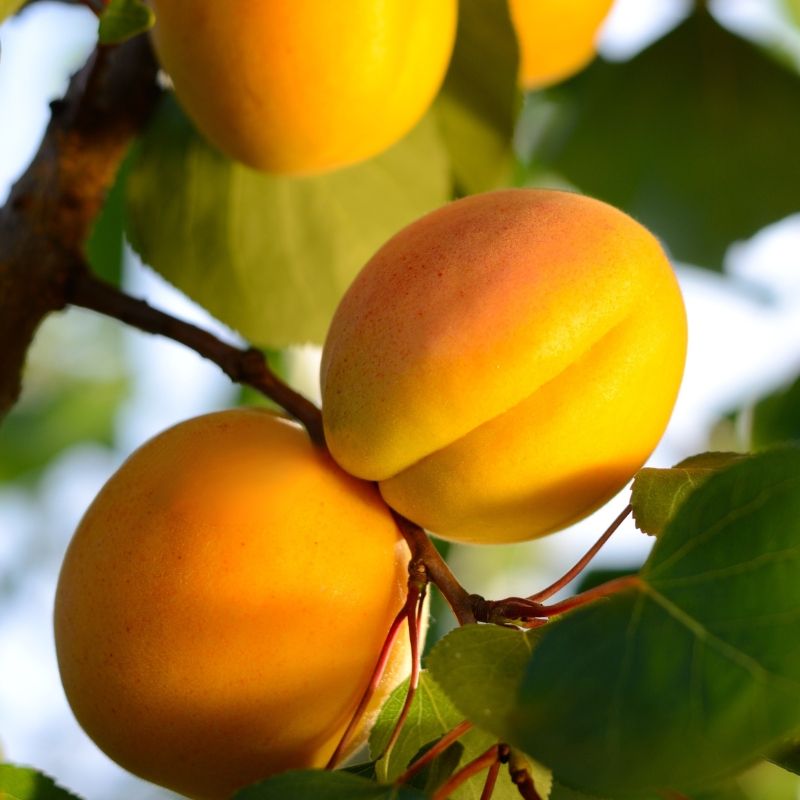
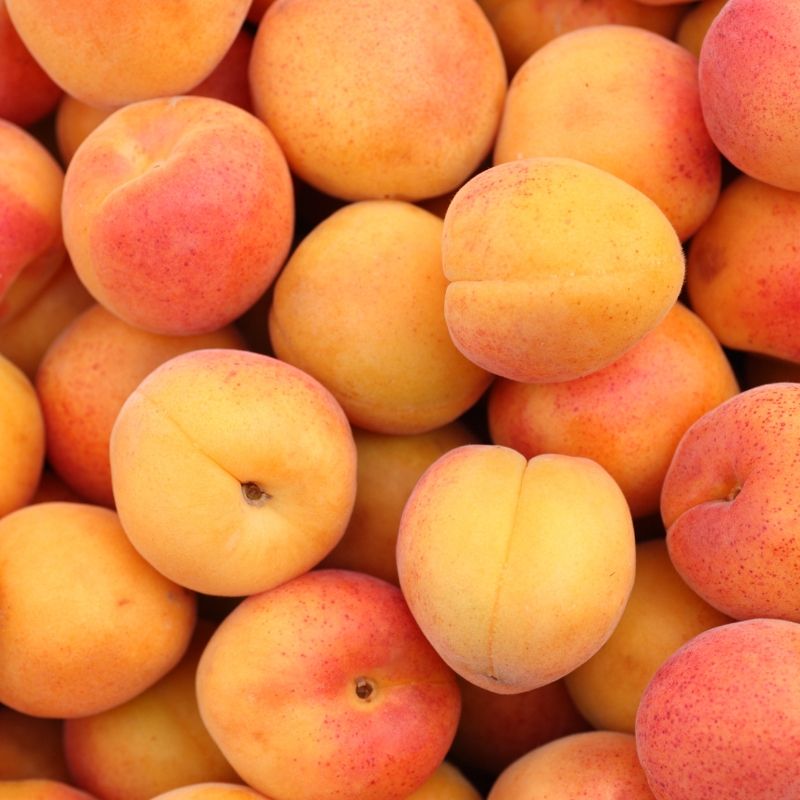
This vigorous, productive tree produces medium to large, heart-shaped fruit with golden-yellow skin and a soft red blush. Apricots ripen in mid to late summer, providing a dependable harvest window and generous yields once established. Tilton is self-pollinating, though planting a second apricot nearby can help increase production.
Discovered as a chance seedling in California in the late 1800s, Tilton quickly became a commercial standard thanks to its consistency, strong flavor, and ability to hold color and texture when preserved. Today, it remains a favorite for home gardeners who want a time-tested apricot that performs well across a wide range of climates.
With good resistance to brown rot, dependable cold hardiness, and fruit that excels fresh or preserved, Tilton Apricot stands out as a hardworking, versatile choice for home orchards.
Characteristics
| Characteristic Name | Value |
|---|---|
| Bloom Color | Pink, White |
| Bloom Time | Early - Mid |
| Chill Hours | 600 - 700 |
| Fruit Color | Yellow |
| Fruit Size | Medium |
| Hardiness Zone Range | 4 - 9 |
| Pollination | Self-Pollinating |
| Characteristic Name | Value |
|---|---|
| Ripens/Harvest | July |
| Shade/Sun | Full Sun |
| Soil Composition | Loamy |
| Soil Moisture | Well Drained |
| Soil pH Level | 6.0 - 7.0 |
| Taste | Sweet |
| Years to Bear | 2 - 5 |
Zone Compatibility
Pollination
This variety is self pollinating.

Tools & Supplies
Planting & Care
Learn all about how to grow apricot trees in The Growing Guide. An entire section of our website dedicated to your growing success.