
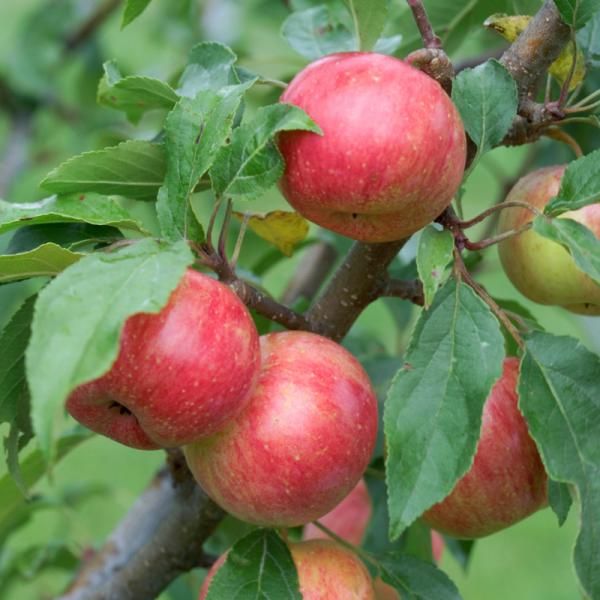

Chestnut Crabapple Tree
Description
Chestnut Crabapple is the crabapple that serious home orchardists grow for the fruit — not just the flowers. Developed at the University of Minnesota in 1946, it produces generous crops of large, edible crabapples with pale yellow skin brushed in red and light russeting, and a creamy white, fine-grained, crisp flesh with a genuinely distinctive nutty-sweet flavor that sets it apart from every other crabapple variety. Outstanding for fresh eating, cooking, and homemade jellies, with fruit that hangs well on the tree and ripens dependably in early September. Cold hardy to Zone 3 and an exceptional pollinator for the surrounding orchard. Annual bearing, vigorous, and adaptable.
A Nutty-Sweet Flavor Unlike Any Other Crabapple
Chestnut’s flavor is its defining characteristic — and it’s genuinely surprising to anyone who expects crabapples to be purely tart or astringent. The fine-grained, crisp white flesh has a distinctive sweet, nutty quality that makes it outstanding for fresh eating right off the tree in addition to all the traditional crabapple uses. That flavor complexity makes Chestnut crabapple jelly, sauce, and cider contributions genuinely exceptional — more interesting and layered than single-note tart varieties produce.
An Outstanding Orchard Pollinator
Chestnut is one of the most valued pollinators for other apple varieties — blooming in early to mid-May with abundant flowers that overlap with a wide range of standard apple bloom times. For home orchardists who want a productive, space-earning tree that also improves the fruit set of every other apple in the orchard, Chestnut earns its place twice over — as a valuable fruit producer in its own right and as a reliable pollinator for the trees around it.
University of Minnesota, 1946 — Cold Hardy to Zone 3
The University of Minnesota breeding program has been responsible for some of the most cold-hardy and productive fruits developed for northern growing regions, and Chestnut is a prime example. Developed in 1946 and cold hardy all the way to Zone 3, it thrives in challenging northern climates where most other fruit trees struggle — and it does so while producing reliably annual crops year after year.
Why Growers Choose Chestnut Crabapple
- Distinctive nutty-sweet edible flavor — outstanding for fresh eating, jelly, sauce, and cider
- University of Minnesota, 1946 — cold hardy to Zone 3, bred for northern performance
- Large crabapples with pale yellow and red skin — beautiful and genuinely edible
- Outstanding orchard pollinator — improves fruit set for the entire apple collection
- Annual bearing and vigorous — reliable crops every year without biennial tendencies
- Fruit hangs well on the tree — convenient early September harvest timing
Survival Guaranteed!

Since 1816, Stark Bro’s has promised to provide customers with the very best fruit trees and plants. It’s just that simple. If your trees or plants do not survive, please let us know within one year of delivery. We will send you a free one-time replacement, with a nominal shipping fee of $9.99. If the item in question is not available, we can issue a one-time credit to your account equaling the original product purchase price or issue you a refund. Read more about our warranty policy.
Characteristics
| Bloom Color | White |
| Bloom Time | Early |
| Chill Hours | 800 |
| Fruit Color | Red |
| Fruit Size | Large - Extra Large |
| Hardiness Zone Range | 3 - 8 |
| Pollination | Pollinator Required |
| Ripens/Harvest | Early September |
| Shade/Sun | Full Sun |
| Soil Moisture | Well Drained |
| Soil pH Level | 6.0 - 7.0 |
| Taste | Astringent, Nutty, Sweet |
| Texture | Good Texture; Crisp, Juicy |
| Years to Bear | 2 - 5 |
Size & Spacing
Mature Size
Recommended Spacing
Zone Compatibility
Pollination
This variety requires another one for adequate pollination.
Tools & Supplies
Planting & Care
Learn all about how to grow apple trees in The Growing Guide. An entire section of our website dedicated to your growing success.
Shipping Information
Estimated Delivery Date
Arrives when it's time to plant
Questions & Answers
Customer Reviews
More items we think you'll love!
This variety is compatible with your location
On Sale
This variety is compatible with your location
On Sale
This variety is compatible with your location
On Sale
This variety is compatible with your location
On Sale
This variety is compatible with your location
On Sale
This variety is compatible with your location