
Bonnie Almond Tree

Description
Bonnie Almond (Prunus dulcis) earns its name — “bonnie” means pretty or attractive in Scottish, and this variety is both. The exquisite white flowers with reddish centers make it one of the most beautiful almond trees in bloom, and the large, sweet nuts with distinctively soft shells that open without tools make it one of the most enjoyable to harvest. Sharing the same extraordinary origin story as Ponderosa — seeds collected in Tashkent Province, Uzbekistan, imported under a plant import permit, germinated in Richmond, Utah, and grown to maturity in the Peterson family orchard in Thatcher, Box Elder County under Utah State University development — Bonnie is the soft-shell companion to Ponderosa’s hard shell, producing large sweet kernels averaging 1.2 grams in a late September harvest. A Stark Bro’s exclusive. A pollinator is required.
Soft Shells — Open Without Tools
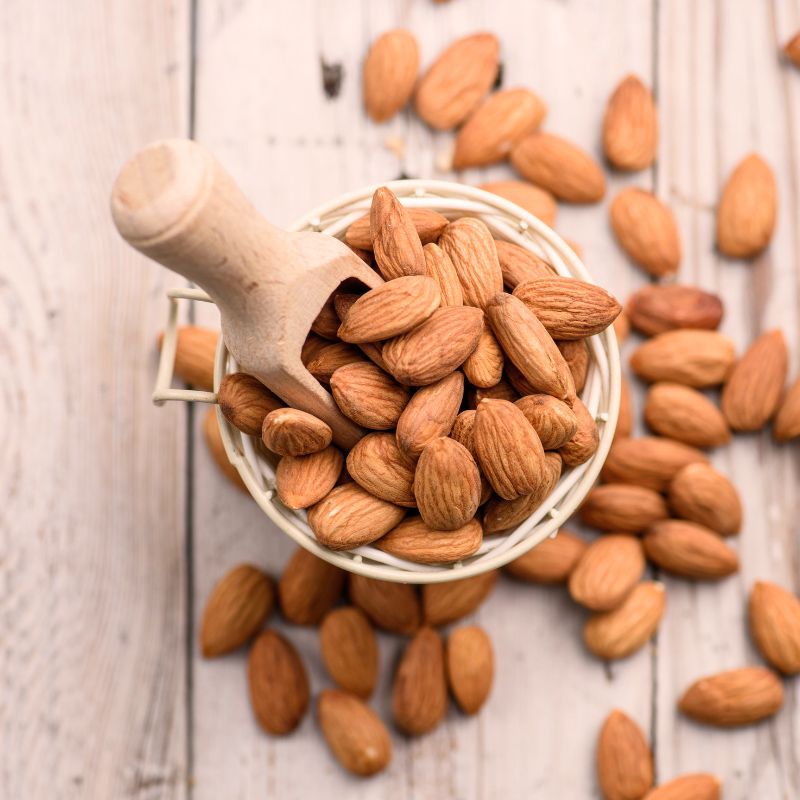
Bonnie’s most distinctive practical quality is its soft shell — the nuts open effortlessly without crackers, nutcrackers, or any special equipment. For home growers who want the freshest possible almonds with the most accessible harvest experience, that soft-shell quality makes a meaningful everyday difference. The large, sweet kernels averaging 1.2 grams per nut are outstanding for fresh eating, baking, and every almond use where quality and freshness matter.
White Flowers With Reddish Centers — Exceptionally Beautiful in Bloom
The spring flowering display of Bonnie Almond is genuinely distinctive. Where most almond varieties produce predominantly white blooms, Bonnie’s flowers carry reddish centers that create a bicolor display of particular elegance — making it one of the most ornamentally beautiful flowering almond trees available and a genuine landscape asset in addition to its nut production value.
Uzbekistan Origin — Utah State University Development
Bonnie Almond shares Ponderosa’s remarkable origin: seeds from Tashkent Province, Uzbekistan, brought to the United States under a plant import permit, germinated in a Richmond, Utah greenhouse, and grown in the Peterson family orchard in Thatcher, Box Elder County, Utah, where Utah State University recognized and developed both varieties. That Central Asian genetic heritage — the geographic origin of the almond species — gives Bonnie diversity that California commercial varieties simply don’t carry. Plant Bonnie and Ponderosa together for an ideal pollinator pairing with matched zone compatibility and harvest timing.
Why Growers Choose Bonnie Almond
- A Stark Bro’s exclusive — only available from Stark Bro’s
- Soft shells open without tools — the most accessible fresh-eating almond experience
- White flowers with reddish centers — exceptionally beautiful ornamental spring display
- Large sweet kernels averaging 1.2g — generous nut quality for fresh eating and baking
- Uzbekistan origin, Utah State University development — rare genetic heritage
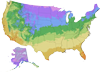
- Natural pollinator partner with Ponderosa — ideal pairing for Zone 6B–9 orchards
Survival Guaranteed!

Since 1816, Stark Bro’s has promised to provide customers with the very best fruit trees and plants. It’s just that simple. If your trees or plants do not survive, please let us know within one year of delivery. We will send you a free one-time replacement, with a nominal shipping fee of $9.99. If the item in question is not available, we can issue you a refund. Read more about our warranty policy.
Characteristics
| Characteristic Name | Value |
|---|---|
| Bloom Color | Red, White |
| Fruit Color | Brown |
| Fruit Size | Large |
| Hardiness Zone Range | 6B - 9 |
| Pollination | Pollinator Required |
| Ripens/Harvest | Late September |
| Characteristic Name | Value |
|---|---|
| Shade/Sun | Full Sun |
| Soil Composition | Loamy |
| Soil Moisture | Well Drained |
| Soil pH Level | 6.0 - 7.0 |
| Taste | Sweet |
| Years to Bear | 3 - 5 |
Size & Spacing
Mature Size
| Mature Size | Dimensions |
|---|---|
| Standard | 18 - 20' tall x 18 - 20' wide |
| Semi-Dwarf | 12 - 15' tall x 12 - 15' wide |
Recommended Spacing
| Mature Size | Spacing |
|---|---|
| Standard | 18 - 20' |
| Semi-Dwarf | 12 - 15' |
Zone Compatibility
Pollination
This variety requires another one for adequate pollination.
Tools & Supplies
Planting & Care
Learn all about how to grow almond trees in The Growing Guide. An entire section of our website dedicated to your growing success.