

Description
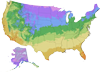
Monterey Almond is a naturally compact, heavy-bearing almond tree with a productive trait that sets it apart — the nuts tend to double, producing pairs of elongated kernels from a single soft, well-sealed shell. A natural companion and mutual pollinator with Nonpareil (blooming just two days after it), Monterey extends the almond harvest significantly with a late September ripening window that comes weeks after Nonpareil is done. A small yet vigorous tree that also earns its place as a genuine ornamental — almond trees are the earliest-flowering stone fruit, delivering striking white blooms in early spring before most trees have leafed out. Zones 6–9.
Nuts That Double — A Unique and Abundant Trait
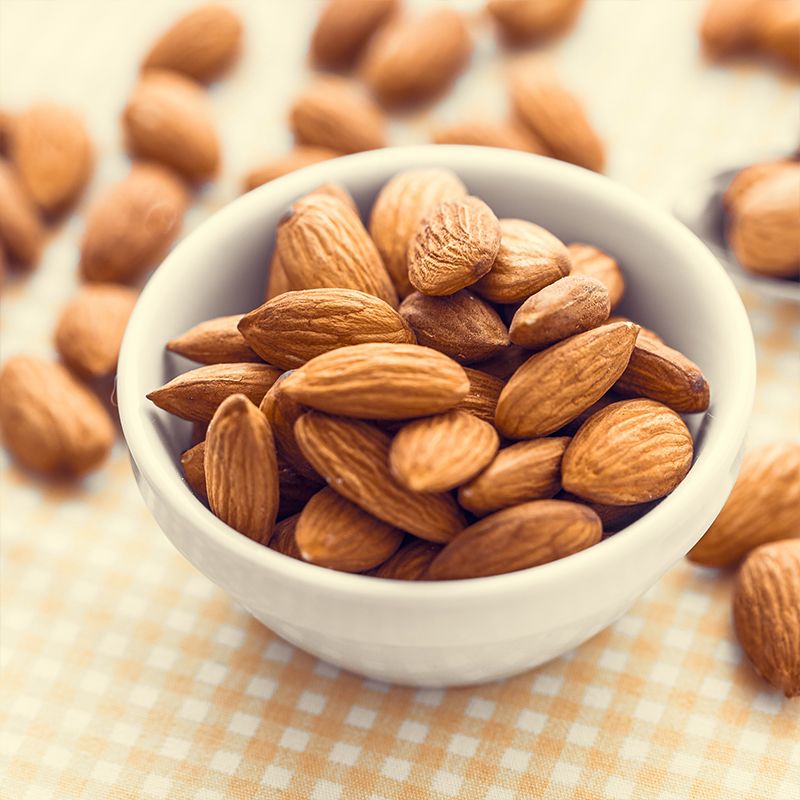
Monterey’s tendency to produce paired double kernels from a single shell is a genuinely distinctive quality that contributes to its reputation as a heavy bearer. The elongated kernels with soft, well-sealed shells are outstanding for snacking, baking, candy making, and almond milk — versatile across every culinary use. The late September harvest timing, coming weeks after Nonpareil, extends the almond season and makes Monterey a practical companion planting choice alongside earlier varieties.
Mutual Pollinator With Nonpareil — The Classic Pairing
Monterey and Nonpareil are one of the most classic and practical almond pollinator pairings available. Monterey blooms just two days after Nonpareil — close enough in timing to ensure reliable cross-pollination while providing enough bloom overlap for excellent fruit set. Each variety pollinates the other effectively, making them natural companions for any almond planting.
The First Bloomer of Spring — Ornamental Beauty
Almond trees earn a place in the landscape well before any nuts appear. As the earliest-flowering stone fruit tree, Monterey covers itself in striking white blossoms in early spring — one of the first significant flowering displays of the season and a genuine visual moment in any garden. The spreading crown of this deciduous, compact tree provides both ornamental structure and productive capacity throughout the growing season.
Why Growers Choose Monterey Almond
- Nuts tend to double — paired kernels contribute to heavy bearing reputation
- Late September harvest — extends the almond season weeks beyond Nonpareil
- Classic mutual pollinator with Nonpareil — blooms just two days after for reliable fruit set
- Heavy bearer in a compact tree — vigorous and productive without requiring large space
- Earliest-flowering stone fruit — striking white spring blooms before most trees leaf out
- Container-friendly — can be grown in pots and brought indoors in cooler climates
Survival Guaranteed!

Since 1816, Stark Bro’s has promised to provide customers with the very best fruit trees and plants. It’s just that simple. If your trees or plants do not survive, please let us know within one year of delivery. We will send you a free one-time replacement, with a nominal shipping fee of $9.99. If the item in question is not available, we can issue you a refund. Read more about our warranty policy.
Characteristics
| Characteristic Name | Value |
|---|---|
| Bloom Color | White |
| Bloom Time | Mid - Late |
| Fruit Color | Brown |
| Fruit Size | Large |
| Hardiness Zone Range | 6 - 9 |
| Pollination | Pollinator Required |
| Characteristic Name | Value |
|---|---|
| Ripens/Harvest | September |
| Shade/Sun | Full Sun |
| Soil Moisture | Well Drained |
| Soil pH Level | 6.0 - 7.0 |
| Years to Bear | 3 - 5 |
Size & Spacing
Mature Size
Recommended Spacing
Zone Compatibility
Pollination
This variety requires another one for adequate pollination.

Tools & Supplies
Planting & Care
Learn all about how to grow almond trees in The Growing Guide. An entire section of our website dedicated to your growing success.