

Description
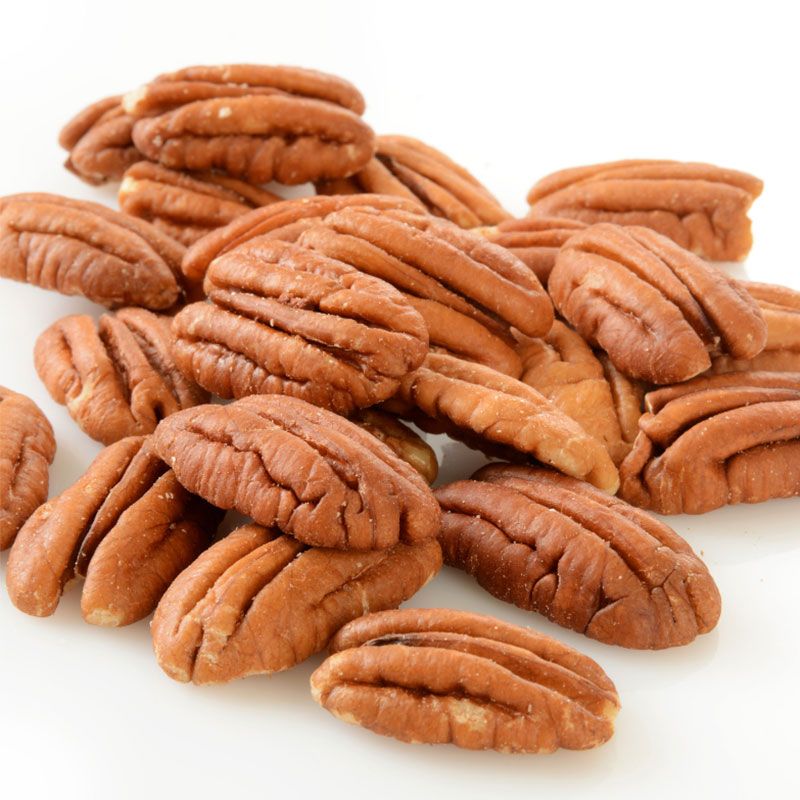
Oconee Pecan produces large, high-quality nuts that are among the easiest pecan varieties to shell — yielding a high percentage of intact halves that come out of the shell cleanly rather than crumbling into fragments. For home bakers and processors who want pecan halves for pies, pralines, and snacking rather than broken pieces for cooking, that shelling quality is one of the most practically valuable things a pecan variety can deliver. Nuts ripen in October, bearing begins as early as the 5th year, and Oconee performs better in northern locations than most pecan cultivars. Good scab resistance. A Type II pollinator is required for fruit production. A Protandrous Type I variety.
Large Nuts With a High Percentage of Intact Halves
Shelling pecans is labor-intensive enough that the quality of what comes out of the shell matters significantly. Oconee’s large nuts crack cleanly, yielding the whole, intact halves that are the premium result of any pecan harvest — visually attractive, easy to use in baking and confections, and satisfying to produce. For home growers who process their own harvest, that consistent shelling quality turns a laborious task into a genuinely rewarding one.
Bears in 5–7 Years — Earlier Than Many Pecan Varieties
Pecan trees are a long-term investment, and Oconee’s 5–7 year bearing timeline is relatively early in the pecan world. Combined with October ripening and the good annual production that makes it a commercial favorite in the Southeast, Oconee delivers a meaningful annual harvest once established that rewards the patience of the early planting years.
Better Northern Performance and Good Scab Resistance
Oconee performs better in northern Zone 6 conditions than most pecan cultivars, extending the practical range for home pecan growing. Good resistance to pecan scab — the most common and damaging pecan disease in humid climates — supports cleaner harvests with less spray management, though dormant spray applications remain beneficial for best results.
Type I Variety — A Type II Pollinator Required
Pecan trees require cross-pollination between Type I and Type II varieties for reliable nut production. Oconee is a Protandrous Type I variety. Plant a compatible Type II pecan variety within 100 feet for best pollination and full crops. Compatible Type II partners include Colby, Kanza, and Lakota.
Why Growers Choose Oconee Pecan
- Large nuts with high percentage of intact halves — the shelling quality bakers and processors want
- Bears in 5–7 years — earlier than many pecan varieties
- October ripening — reliable annual harvest in Zones 6–9
- Better northern performance — more adaptable than most pecan cultivars
- Good scab resistance — cleaner harvests with less disease management
- Type I variety — Type II pollinator required — plant with Colby, Kanza, or Lakota
Survival Guaranteed!

Since 1816, Stark Bro’s has promised to provide customers with the very best fruit trees and plants. It’s just that simple. If your trees or plants do not survive, please let us know within one year of delivery. We will send you a free one-time replacement, with a nominal shipping fee of $9.99. If the item in question is not available, we can issue you a refund. Read more about our warranty policy.
Characteristics
| Characteristic Name | Value |
|---|---|
| Bloom Color | Green |
| Fruit Color | Brown |
| Fruit Size | Large |
| Hardiness Zone Range | 6 - 9 |
| Pollination | Pollinator Required |
| Ripens/Harvest | October |
| Characteristic Name | Value |
|---|---|
| Shade/Sun | Full Sun |
| Soil Composition | Loamy |
| Soil Moisture | Well Drained |
| Soil pH Level | 6.0 - 6.5 |
| Years to Bear | 5 - 7 |
Size & Spacing
Mature Size
Recommended Spacing
Zone Compatibility
Pollination
This variety requires another one for adequate pollination.
Tools & Supplies
Planting & Care
Learn all about how to grow pecan trees in The Growing Guide. An entire section of our website dedicated to your growing success.