
Washington Navel Orange Tree

Description
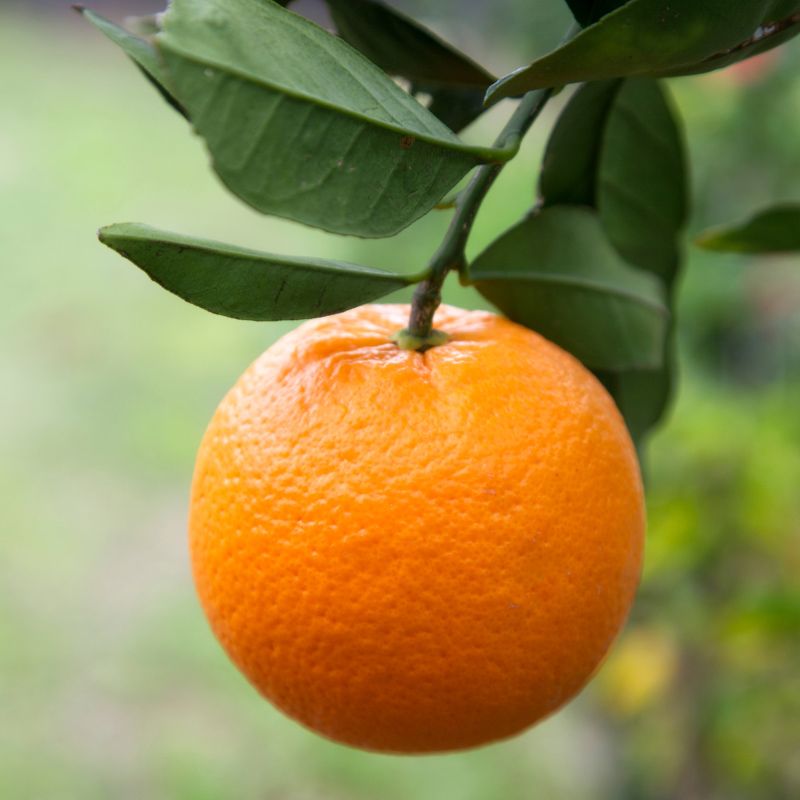
Washington Navel Orange (Citrus sinensis ‘Washington’) is the world’s most popular eating orange — seedless, easy to peel, deeply sweet, and unmistakably aromatic with the characteristic navel formation at the blossom end that makes it instantly recognizable. Originating as a natural mutation discovered in Bahia, Brazil and brought to the USDA in 1870, it has since become the global standard for fresh orange eating: large, bright orange fruit with juicy, flavorful segments in a smooth-to-slightly-pebbled peel that separates cleanly. Fragrant white blossoms, glossy evergreen foliage, and self-pollinating production in Zones 8–11 outdoors. Container-friendly for growing indoors in any climate.
The World’s Most Popular Eating Orange — Seedless and Easy to Peel
The Washington Navel’s dominance in the fresh orange market is earned. The combination of consistently large fruit, seedless segments, and the easy-peel skin that separates cleanly without membrane adherence makes it the most practical and enjoyable eating orange available — no seeds to navigate, no difficult peel, just clean, sweet, juicy orange segments. The navel itself — the secondary fruit formation at the blossom end — is the variety’s signature and the marker of its genuine quality.
Bahia, Brazil, 1870 — A Natural Mutation Becomes the World Standard
The Washington Navel’s origin is a single natural mutation found growing in Bahia, Brazil in the early 19th century — one spontaneous change in one tree that produced the seedless, easy-peel quality that makes it so remarkable. Cuttings were sent to the USDA in 1870 and distributed to California growers, where the variety’s performance in the warm California climate established its place as the dominant commercial orange variety. Every Washington Navel orange tree in the world is a direct descendant of that single Brazilian tree.
Container Growing — Fresh Oranges Anywhere
Washington Navel thrives in containers — a large pot with quality citrus potting mix, a sunny patio or south-facing window, and regular watering and citrus fertilization produces generous annual orange harvests in climates well outside Zones 8–11. Move the container indoors before the first frost and the tree continues producing in a bright indoor location through winter.
Why Growers Choose Washington Navel Orange
- The world’s most popular eating orange — seedless, easy to peel, deeply sweet
- Bahia, Brazil natural mutation, USDA 1870 — every tree descended from one original
- Fragrant white blossoms and glossy evergreen foliage — beautiful year-round
- Self-pollinating — productive with just one tree
- Container-friendly — fresh homegrown oranges in any climate
- Bears in 2–3 years — rewarding relatively quickly for a citrus tree
Survival Guaranteed!

Since 1816, Stark Bro’s has promised to provide customers with the very best fruit trees and plants. It’s just that simple. If your trees or plants do not survive, please let us know within one year of delivery. We will send you a free one-time replacement, with a nominal shipping fee of $9.99. If the item in question is not available, we can issue you a refund. Read more about our warranty policy.
Characteristics
| Characteristic Name | Value |
|---|---|
| Bloom Color | White |
| Fruit Color | Orange |
| Fruit Size | Large |
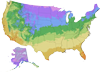
| Hardiness Zone Range | 2 - 11, Outdoor Planting: 8 - 11 |
| Pollination | Not Required |
| Shade/Sun | Full Sun |
| Characteristic Name | Value |
|---|---|
| Soil Composition | Loamy |
| Soil Moisture | Well Drained |
| Soil pH Level | 6.0 - 7.5 |
| Taste | Sweet |
| Texture | Juicy |
| Years to Bear | 2 - 3 |
Size & Spacing
Mature Size
Recommended Spacing
Zone Compatibility
Pollination
Pollination is not required for this variety.
Tools & Supplies
Planting & Care
Learn all about how to grow citrus trees in The Growing Guide. An entire section of our website dedicated to your growing success.