
Description
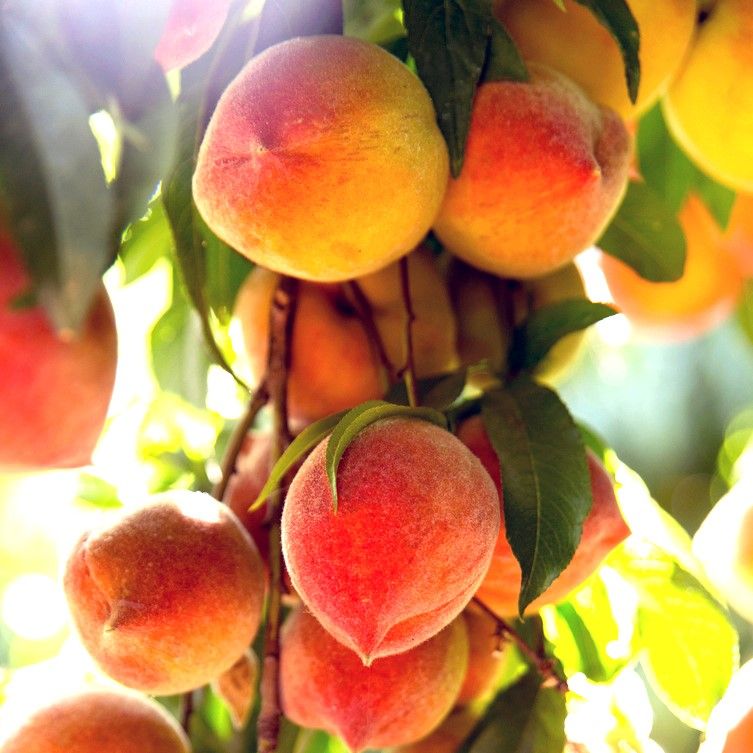
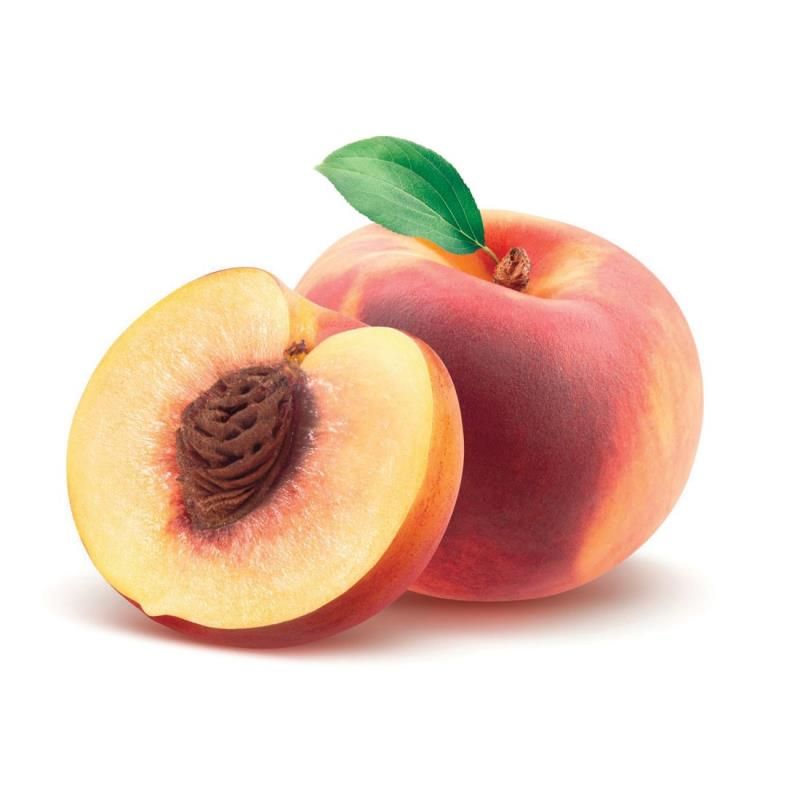
Suncrest is the drip-down-your-chin peach: one of the juiciest peaches around, yet very firm, with fine-flavored yellow flesh under bright red skin that is simply beautiful. This freestone variety ripens in August, and it is the peach immortalized in the book Epitaph for a Peach: Four Seasons on My Family Farm by David Mas Masumoto (1995). A consistent producer that originated in Fresno, California and was introduced in 1959, it also blooms later than most peaches, and the blossoms can take a frost. Bears in 2-4 years.
Self-pollinating, but yields bigger crops when planted near a different peach variety with a similar bloom time.
Juicy, Very Firm, and Fine-Flavored
Few peaches are as juicy as Suncrest, and few manage to stay this firm while they do it. The yellow flesh is fine-flavored and dripping with juice, and the freestone pit comes out cleanly, so it is as easy to slice for the table as it is to prepare for preserving.
The Peach From Epitaph for a Peach
Suncrest has a place in American farm writing. David Mas Masumoto’s 1995 book, Epitaph for a Peach: Four Seasons on My Family Farm, immortalized this variety, and its reputation among peach lovers has only grown since. Growing it yourself is a chance to taste the peach behind that story.
Late-Blooming, With Blossoms That Can Take a Frost
Late spring frosts are one of the biggest threats to a peach crop. Suncrest blooms later than most peaches, and its blossoms can take a frost, which makes it a dependable producer in gardens where other varieties lose their crop. It originated in Fresno, California and has been a consistent performer since its introduction in 1959.
Why Growers Choose Suncrest Peach
- One of the juiciest peaches around: very firm, fine-flavored yellow flesh
- Bright red skin: beautiful on the tree and at the table
- Freestone: easy to slice and process, ready in August
- Blooms later than most, and blossoms can take a frost: a consistent producer
- Introduced in 1959 and immortalized in print: a variety with real history
Photo courtesy of Regents of the University of California.
Characteristics
| Characteristic Name | Value |
|---|---|
| Bloom Color | Pink |
| Bloom Time | Mid |
| Chill Hours | 650 |
| Fruit Color | Yellow |
| Fruit Size | Medium - Large |
| Hardiness Zone Range | 5 - 9 |
| Pollination | Self-Pollinating |
| Characteristic Name | Value |
|---|---|
| Ripens/Harvest | August |
| Shade/Sun | Full Sun |
| Soil Composition | Loamy |
| Soil Moisture | Well Drained - Average Moistness |
| Soil pH Level | 6.0 - 7.0 |
| Texture | Firm |
| Years to Bear | 2 - 4 |
Zone Compatibility
Pollination
This variety is self pollinating.
Tools & Supplies
Planting & Care
Learn all about how to grow peach trees in The Growing Guide. An entire section of our website dedicated to your growing success.