

Description
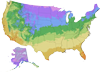
Zinner Pecan comes from the University of Georgia Pecan Breeding Program — one of the most respected sources of improved pecan varieties in the Southeast — and it carries that breeding heritage in its reputation for consistent, high-quality nut production. Large nuts ripen in October from a tree valued by home orchardists and commercial growers alike for overall nut quality that stays consistent season after season. Moderate scab resistance supports clean harvests with a minimal spray program rather than intensive disease management. A Protogynous Type II variety — a compatible Type I pollinator is required for fruit production. Bears in 5–8 years in Zones 6–9.
University of Georgia Pecan Breeding Program — Consistent Quality
The UGA Pecan Breeding Program has produced some of the most widely planted and highly regarded improved pecan varieties in the Southeast, with a focus on nut quality, yield, and disease resistance. Zinner’s reputation for overall nut quality and season-to-season consistency reflects that institutional breeding priority — producing large, well-filled nuts reliably rather than exceptional one year and disappointing the next.
Moderate Scab Resistance — Minimal Spray Program
Pecan scab is the most destructive pecan disease in humid southeastern climates, and a variety’s scab resistance largely determines how much spray management its growing requires. Zinner’s moderate scab resistance positions it well for home orchards that can maintain a basic dormant spray program without the intensive spray schedules that scab-susceptible varieties require in high-disease-pressure environments.
Type II Variety — Type I Pollinator Required
Zinner is a Protogynous Type II pecan variety. For reliable nut production, plant a compatible Type I pecan variety within 100 feet. Compatible Type I partners include Pawnee, Creek, and Peruque. Both Type I and Type II varieties must be present for cross-pollination and full crops.
Why Growers Choose Zinner Pecan
- University of Georgia Pecan Breeding Program — institutional pedigree for consistent quality
- Consistent nut quality season after season — reliable large October harvests
- Moderate scab resistance — manageable with a minimal spray program
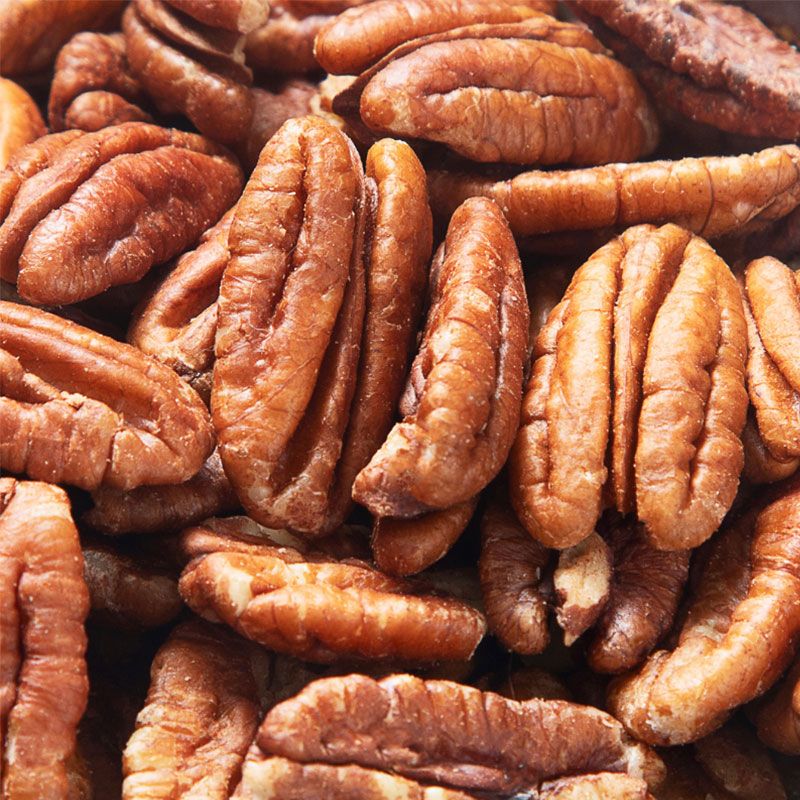
- Large, well-filled nuts — outstanding for baking, snacking, and storage
- Type II variety — plant with Pawnee, Creek, or Peruque for pollination
- Bears in 5–8 years — a long-term investment in annual nut production
Survival Guaranteed!

Since 1816, Stark Bro’s has promised to provide customers with the very best fruit trees and plants. It’s just that simple. If your trees or plants do not survive, please let us know within one year of delivery. We will send you a free one-time replacement, with a nominal shipping fee of $9.99. If the item in question is not available, we can issue you a refund. Read more about our warranty policy.
Characteristics
| Characteristic Name | Value |
|---|---|
| Bloom Color | Green |
| Fruit Color | Brown |
| Fruit Size | Large |
| Hardiness Zone Range | 6 - 9 |
| Pollination | Pollinator Required |
| Ripens/Harvest | October |
| Characteristic Name | Value |
|---|---|
| Shade/Sun | Full Sun |
| Soil Composition | Loamy |
| Soil Moisture | Well Drained |
| Soil pH Level | 6.0 - 6.5 |
| Years to Bear | 5 - 8 |
Size & Spacing
Mature Size
Recommended Spacing
Zone Compatibility
Pollination
This variety requires another one for adequate pollination.
Tools & Supplies
Planting & Care
Learn all about how to grow pecan trees in The Growing Guide. An entire section of our website dedicated to your growing success.