
Thornless Loganberry Plant
Description
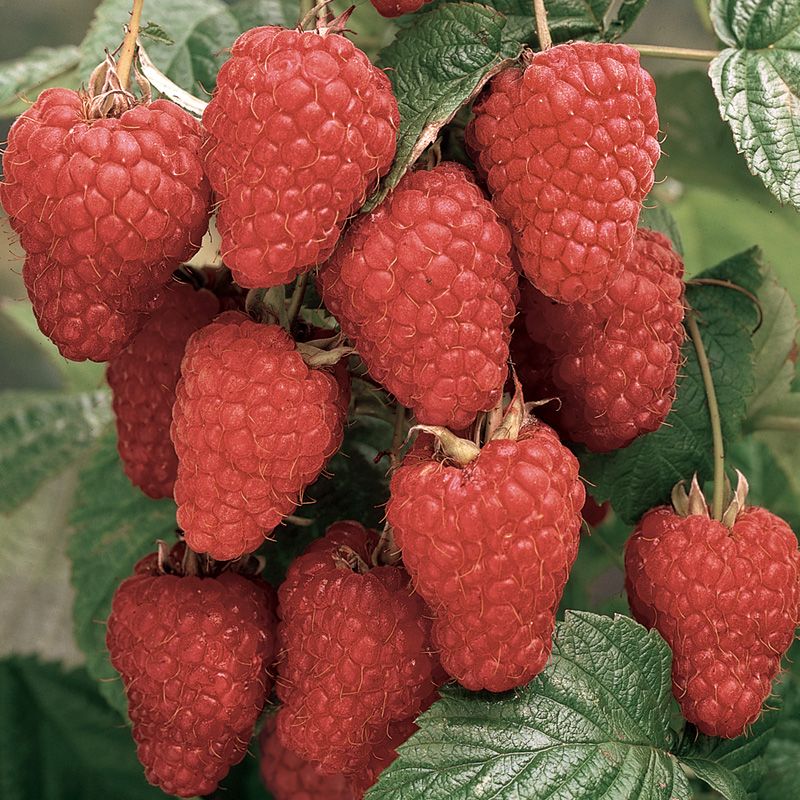
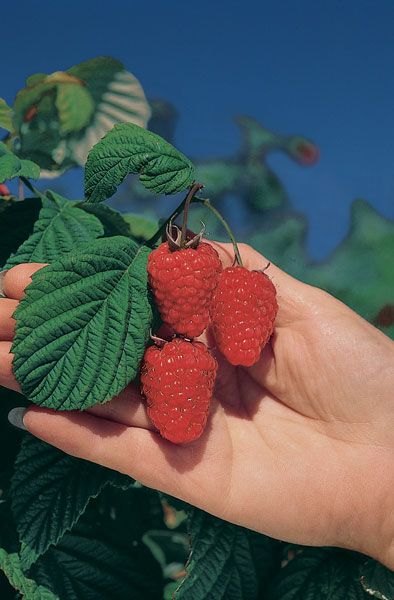
Thornless Loganberry (Rubus loganobaccus) is one of the great American berry discoveries — a natural cross between a blackberry and a red raspberry that occurred in the backyard garden of Judge James Logan in Santa Cruz, California in 1881, producing an entirely new fruit that’s been prized ever since for its distinctive tart-sweet, deeply complex flavor. The long, dark red berries are larger than most raspberries and more elongated than most blackberries — soft, juicy, and at their absolute sweetest when allowed to ripen fully on the cane to their darkest red before picking. Outstanding for pies, jams, jellies, juicing, and fresh eating. Thornless canes, heat-tolerant, self-pollinating in Zones 6–10.
Judge Logan’s Accidental Discovery — Santa Cruz, California, 1881
The loganberry’s origin is one of the most charming stories in American fruit history. James Harvey Logan — a lawyer, judge, and passionate amateur horticulturalist in Santa Cruz — discovered the cross growing spontaneously in his garden in 1881, recognized it as something genuinely new and exceptional, and shared it with the world. The variety that bears his name went on to become a foundation parent of other beloved hybrid berries including the boysenberry and the marionberry — a botanical legacy that reflects the original quality of what Logan found.
Tart, Complex, and Outstanding for Cooking
The loganberry flavor sits in its own territory — tarter than a blackberry, more complex than a red raspberry, with a winey, aromatic depth that makes it particularly outstanding for pies and jams where that complexity carries through cooking beautifully. Fresh eating is genuinely enjoyable when the berries are fully ripe, but this is where the loganberry truly shines in cooking applications. The high pectin content makes jam-making effortless and produces a beautifully set, richly flavored result with minimal added pectin.
Wait for Full Ripeness — Sweetest on the Cane
Patience is rewarded with loganberries. The berries progress from red to darker red as they ripen, and the flavor difference between harvesting too early and waiting for full dark-red ripeness is significant. Fully ripe loganberries are genuinely sweet despite their tart reputation — underripe ones are quite sour. The horizontal trailing canes benefit from a trellis or support to keep the fruit off the ground and make harvesting easier.
Why Growers Choose Thornless Loganberry
- Judge James Logan’s 1881 Santa Cruz discovery — one of America’s great berry origin stories
- Tart, complex, deeply flavored — outstanding for pies, jams, and fresh eating at full ripeness
- Parent variety of boysenberry and marionberry — a foundational hybrid berry in its own right
- Thornless canes — comfortable, scratch-free harvesting
- Heat-tolerant self-pollinating — productive in Zones 6–10 with just one planting
- High pectin content — jams set beautifully with minimal effort
Survival Guaranteed!

Since 1816, Stark Bro’s has promised to provide customers with the very best fruit trees and plants. It’s just that simple. If your trees or plants do not survive, please let us know within one year of delivery. We will send you a free one-time replacement, with a nominal shipping fee of $9.99. If the item in question is not available, we can issue you a refund. Read more about our warranty policy.
Characteristics
| Characteristic Name | Value |
|---|---|
| Bloom Color | White |
| Fruit Color | Red |
| Fruit Size | Medium - Large |
| Hardiness Zone Range | 6 - 10 |
| Pollination | Self-Pollinating |
| Ripens/Harvest | June |
| Shade/Sun | Full Sun |
| Characteristic Name | Value |
|---|---|
| Soil Composition | Loamy |
| Soil Moisture | Well Drained - Average Moistness |
| Soil pH Level | 6.0 - 6.5 |
| Taste | Sweet |
| Texture | Soft |
| Years to Bear | 2 - 3 |
Size & Spacing
Mature Size
Recommended Spacing
Zone Compatibility
Pollination
This variety is self pollinating.
Tools & Supplies
Planting & Care
Learn all about how to grow hybrid berry plants in The Growing Guide. An entire section of our website dedicated to your growing success.