
Celeste Fig Tree

Description
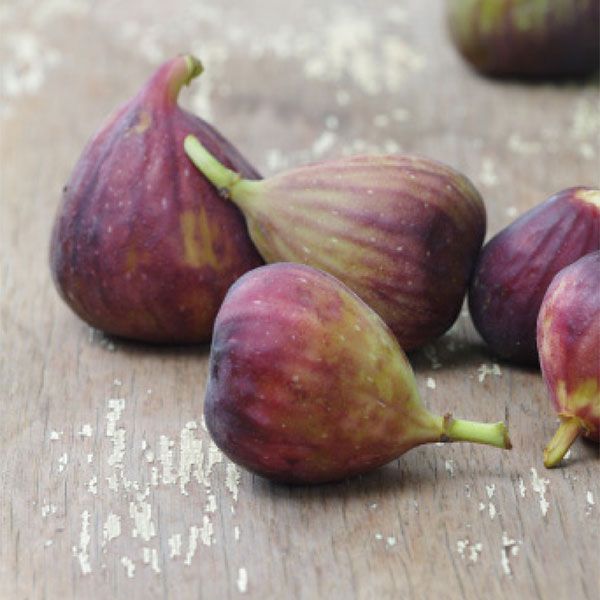
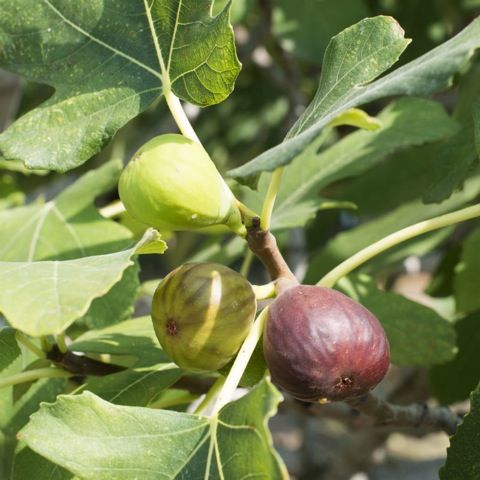
Celeste Fig — also known as the Sugar Fig or Celestial Fig — is one of the most beloved and trusted fig varieties in American home growing, prized since Classical times for a deeply sweet, honey-like flavor that earns its “Sugar Fig” name completely. Small to medium fruit with rose-to-violet skin ripens in July, with soft, rich flesh that’s outstanding fresh, dried, canned, or frozen. A closed-eye fig variety, Celeste naturally resists the fruit spoilage and wasp damage that affects open-eye figs — delivering cleaner, higher-yielding harvests with less intervention. Self-pollinating, cold-hardy, container-friendly, and productive in as little as 1–2 years from planting.
The Sugar Fig — Deeply Sweet, Honey-Like Flavor
The “Sugar Fig” nickname is not marketing — it’s a genuine descriptor for Celeste’s flavor character, which is richer, sweeter, and more honey-like than most other fig varieties. Fresh off the tree in July, a fully ripe Celeste fig has a soft, melting texture and concentrated sweetness that makes it one of the finest fresh-eating figs available. Equally outstanding dried into preserves, added to cheese boards and charcuterie, incorporated into desserts, or enjoyed straight from the tree on a warm afternoon.
Closed-Eye Fig — Natural Pest and Spoilage Resistance
Celeste’s closed-eye structure is one of its most practical qualities. Open-eye fig varieties are vulnerable to wasps entering the fruit through the eye, causing internal damage and spoilage, particularly in humid conditions. Celeste’s closed eye seals out pests and moisture — producing cleaner, more consistently high-quality fruit without the spoilage issues that frustrate growers of open-eye varieties.
Edible Leaves — A Bonus Beyond the Fruit
The broad, lobed leaves of the Celeste Fig are edible and genuinely useful in the kitchen. Use them to wrap meats, fish, or vegetables for grilling and roasting — they impart a light, subtly smoky flavor. Steep dried leaves to make fig leaf tea. It’s a genuinely surprising culinary bonus from a tree you’re already growing for the fruit.
Container-Friendly — Grown Anywhere With Winter Care
Celeste is naturally compact at 7–10 feet and thrives in large containers — bringing fig growing to patios, balconies, and courtyards in climates where in-ground figs wouldn’t survive winter. In Zone 5 and colder, move container trees to an insulated unheated space like a garage or basement for winter, watering minimally to keep roots moist. Even in-ground trees that die back in cold winters will push new shoots from the roots in spring and still fruit on new growth.
Why Growers Choose Celeste Fig
- The Sugar Fig — deeply sweet honey-like flavor — one of the finest-flavored figs available
- Closed-eye structure — natural resistance to wasp damage and fruit spoilage
- Edible leaves — wrapping, grilling, and fig leaf tea
- Productive in 1–2 years — fast-bearing for a fruit tree
- Container-friendly — brings fig growing to any climate with winter care
- Self-pollinating — productive with just one tree
Survival Guaranteed!

Since 1816, Stark Bro’s has promised to provide customers with the very best fruit trees and plants. It’s just that simple. If your trees or plants do not survive, please let us know within one year of delivery. We will send you a free one-time replacement, with a nominal shipping fee of $9.99. If the item in question is not available, we can issue you a refund. Read more about our warranty policy.
Characteristics
| Characteristic Name | Value |
|---|---|
| Fruit Color | Purple |
| Fruit Size | Small - Medium |
| Hardiness Zone Range | 2 - 9, Outdoor Planting: 6 - 9 |
| Pollination | Self-Pollinating |
| Ripens/Harvest | July |
| Shade/Sun | Full Sun |
| Characteristic Name | Value |
|---|---|
| Soil Composition | Loamy |
| Soil Moisture | Well Drained |
| Soil pH Level | 6.0 - 6.5 |
| Taste | Sweet |
| Texture | Soft |
| Years to Bear | 1 - 2 |
Size & Spacing
Mature Size
Recommended Spacing
Zone Compatibility
Pollination
This variety is self pollinating.
Tools & Supplies
Planting & Care
Learn all about how to grow fig trees in The Growing Guide. An entire section of our website dedicated to your growing success.