
Italian Honey Fig Tree

Description
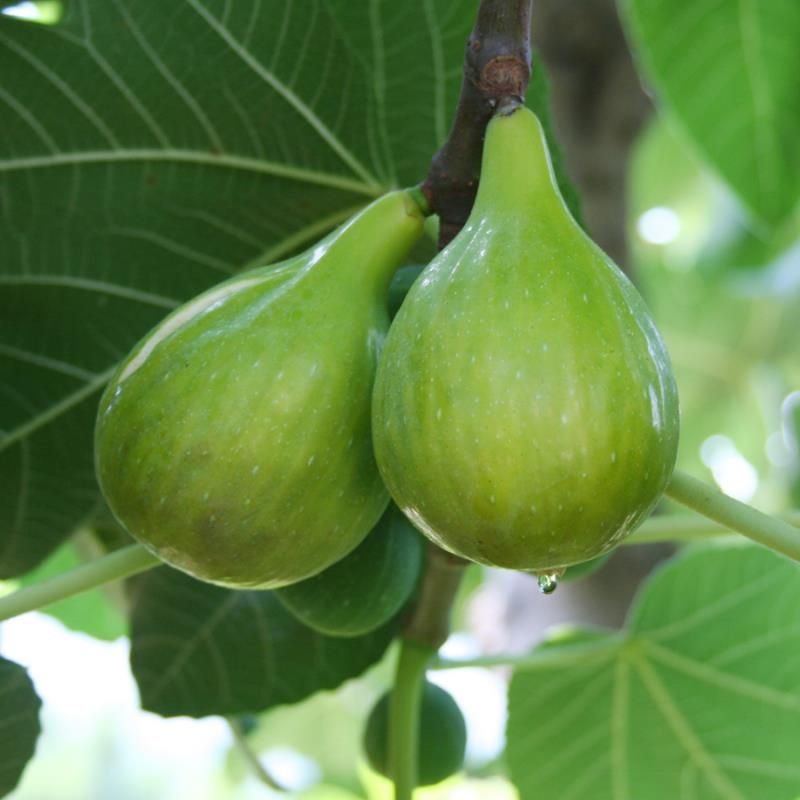
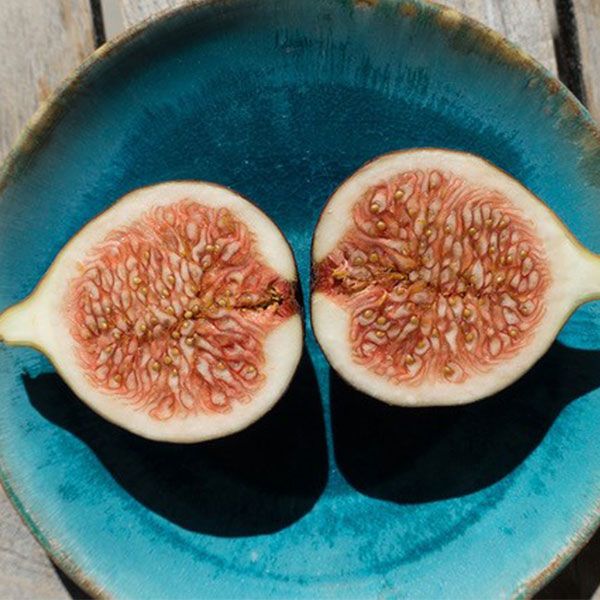
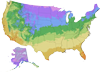
Italian Honey Fig (Ficus carica ‘Lattarula’) — also known as the Lattarula Fig — is the fig that earns its name. The greenish-yellow skin and rich, amber-colored flesh look as beautiful as they taste, and the flavor is genuinely honey-sweet in a way that the name promises and the fruit delivers. Where Celeste is deep purple and Brown Turkey is brown-reddish, the Italian Honey Fig’s pale golden appearance is visually distinctive — a luminous, amber-fleshed fig that’s as striking on a cheese board as it is satisfying straight off the tree. Closed-eye construction resists splitting and spoilage in rain and humidity. Self-pollinating, fast-bearing in 1–2 years, and adapted to an extraordinarily wide soil pH range of 5.5–8.0. Outdoor planting in Zones 7–10; container growing with winter protection in Zones 2–10.
Honey-Sweet Amber Flesh — The Lattarula Difference
The Italian Honey Fig’s flavor is its defining quality. The pale, golden-amber flesh has a rich, concentrated honey sweetness that sets it apart from both the mild-sweet Brown Turkey and the deeper sugar-sweet Celeste. Fresh off the tree in July, the thin green skin gives way to flesh so sweet and flavorful that it needs nothing added — no sugar, no preparation, just the fig as it is. Outstanding dried into preserves where the honey character concentrates further, and exceptional in pastries and baked goods where the golden flesh color adds visual appeal alongside the flavor.
Closed-Eye — Splits and Spoilage Resistant in Rain
The Italian Honey Fig’s closed-eye structure prevents moisture and pests from entering the developing fruit — a particularly valuable quality in humid summer climates where rain during the fruiting period causes open-eye figs to split and spoil. That resistance means cleaner, more consistent harvests with less loss from weather events that would damage other varieties.
Extraordinary Soil pH Range — 5.5 to 8.0
Most fruit trees demand a fairly narrow soil pH range for optimal performance. Italian Honey Fig adapts to a remarkably wide range — from 5.5 (moderately acid) to 8.0 (moderately alkaline) — making it one of the most soil-flexible fruit trees available. That adaptability opens fig growing to sites and soils where standard varieties would struggle.
Why Growers Choose Italian Honey Fig
- Honey-sweet amber flesh — the most intensely sweet of the three Stark Bro’s fig varieties
- Closed-eye construction — resistant to splitting and spoilage in rain and humidity
- Distinctive golden-green appearance — pale amber flesh, visually beautiful fresh or preserved
- Extraordinary pH range 5.5–8.0 — adapts to soils where most fruit trees won’t perform
- Self-pollinating, fast-bearing — productive with one tree in 1–2 years
- Container-friendly — grows anywhere in Zones 2–10 with winter care
Survival Guaranteed!

Since 1816, Stark Bro’s has promised to provide customers with the very best fruit trees and plants. It’s just that simple. If your trees or plants do not survive, please let us know within one year of delivery. We will send you a free one-time replacement, with a nominal shipping fee of $9.99. If the item in question is not available, we can issue you a refund. Read more about our warranty policy.
Characteristics
| Characteristic Name | Value |
|---|---|
| Fruit Color | Yellow |
| Fruit Size | Medium |
| Hardiness Zone Range | 2 - 10, Outdoor Planting: 7 - 10 |
| Pollination | Self-Pollinating |
| Ripens/Harvest | July |
| Shade/Sun | Full Sun |
| Characteristic Name | Value |
|---|---|
| Soil Composition | Loamy |
| Soil Moisture | Well Drained |
| Soil pH Level | 5.5 - 8.0 |
| Taste | Sweet |
| Texture | Soft |
| Years to Bear | 1 - 2 |
Size & Spacing
Mature Size
Recommended Spacing
Zone Compatibility
Pollination
This variety is self pollinating.
Tools & Supplies
Planting & Care
Learn all about how to grow fig trees in The Growing Guide. An entire section of our website dedicated to your growing success.