
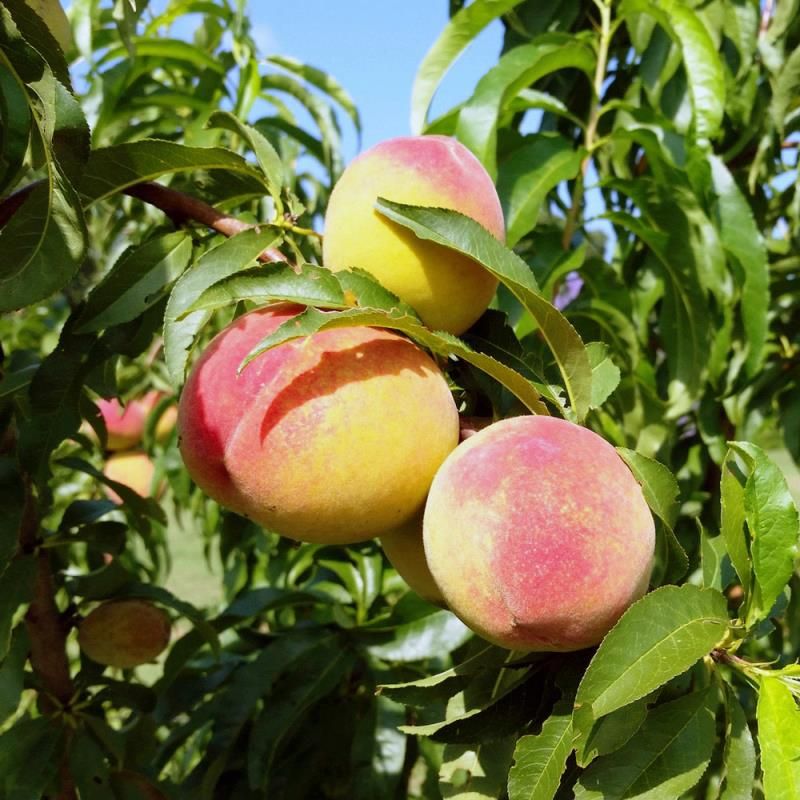
Bounty Peach Tree

Description
Bounty Peach is the heirloom variety that brings back the way peaches used to taste — naturally sweet, deeply juicy, and richly flavored with the kind of genuine peach character that modern commercial varieties have largely traded away for shelf life and shipping durability. Great big yellow-fleshed freestone fruits that are easy to peel and easy to pit, with non-browning flesh that makes every use from fresh eating to canning and freezing more practical and more attractive. Resistant to bacterial leaf spot, more winter-hardy than Loring, and performing particularly well in the mid-Atlantic region. Early August ripening, self-pollinating in Zones 4–8.
The Way Peaches Used to Taste — Natural Sweetness and Juiciness
The flavor comparison to “the way peaches used to taste” is something Bounty growers consistently report — and it reflects the genuine difference between a fully tree-ripened heirloom variety and a modern commercial peach bred for durability over flavor. The natural sweetness and juiciness of Bounty at peak early August ripeness is the kind of flavor experience that reminds people why growing your own is worth every year of waiting for the tree to mature.
Non-Browning Flesh — Easy to Peel, Easy to Pit
Bounty’s non-browning yellow flesh stays attractive and appetizing after cutting — keeping sliced peaches looking fresh for platters and salads, and producing clean, well-colored canned peaches and preserves. The large freestone fruit is easy to peel and pit — a practical combination that makes processing a generous early August crop genuinely enjoyable rather than laborious.
Resistant to Bacterial Leaf Spot — More Hardy Than Loring
Bounty’s bacterial leaf spot resistance and improved winter hardiness over Loring give it a meaningful practical edge in the mid-Atlantic region and other areas where both disease pressure and cold winters are consistent challenges. The vigorous tree produces consistently across Zones 4–8 with less disease management intervention than more susceptible varieties require.
Why Growers Choose Bounty Peach
- Heirloom flavor — the natural sweetness and juiciness that modern peaches rarely deliver
- Non-browning flesh — stays attractive after cutting for platters, canning, and freezing
- Large freestone — easy to peel and pit — practical for any quantity of kitchen use
- Resistant to bacterial leaf spot — cleaner foliage and fruit through the season
- More winter-hardy than Loring — reliable in Zone 4 and cold mid-Atlantic winters
- Self-pollinating — productive with just one tree
Survival Guaranteed!

Since 1816, Stark Bro’s has promised to provide customers with the very best fruit trees and plants. It’s just that simple. If your trees or plants do not survive, please let us know within one year of delivery. We will send you a free one-time replacement, with a nominal shipping fee of $9.99. If the item in question is not available, we can issue you a refund. Read more about our warranty policy.
Characteristics
| Characteristic Name | Value |
|---|---|
| Bloom Color | White |
| Bloom Time | Early |
| Chill Hours | 800 |
| Fruit Color | Yellow |
| Fruit Size | Large |
| Hardiness Zone Range | 4 - 8 |
| Pollination | Self-Pollinating |
| Ripens/Harvest | Early August |
| Characteristic Name | Value |
|---|---|
| Shade/Sun | Full Sun |
| Soil Composition | Loamy |
| Soil Moisture | Well Drained - Average Moistness |
| Soil pH Level | 6.0 - 7.0 |
| Taste | Sweet |
| Texture | Firm |
| Years to Bear | 2 - 4 |
Size & Spacing
Mature Size
Recommended Spacing
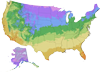
Zone Compatibility
Pollination
This variety is self pollinating.
Tools & Supplies
Planting & Care
Learn all about how to grow peach trees in The Growing Guide. An entire section of our website dedicated to your growing success.