
Fruit Trees
Fruit Trees Buyer's Guide
Stark Bro’s has been selecting, testing, and guaranteeing fruit trees since 1816 — longer than any nursery in America. Every variety in our catalog has earned its place through our test orchards and the judgment of growers who have been doing this for generations. Whether you’re planting your first backyard apple tree or building a full home orchard, you’ll find fruit trees here that are suited to your climate, your space, and your table.
Choosing the right fruit tree starts with a few practical decisions: what size fits your space, what varieties suit your climate, and how pollination works in your planting plan. The sections below will help you think through each one.
Fruit Tree Size — Matching the Tree to Your Space
Fruit trees come in four sizes, and choosing the right one matters as much as choosing the right variety.
Columnar Fruit Trees grow narrow and upright, staying under four feet wide while producing full-sized fruit. The right choice for patios, tight spots, and planting multiple varieties in a small footprint.
Dwarf Fruit Trees stay compact — typically 8–10 feet — and produce full-sized fruit that can usually be harvested without a ladder. The most popular choice for backyard home orchards.
Semi-Dwarf Fruit Trees offer a balance between size and productivity, growing 12–15 feet and producing generous annual harvests while remaining manageable for most home growers.
Standard Fruit Trees grow the largest and can become multi-generational shade and fruit trees that produce for decades. Best suited to larger properties where space is not a constraint.
Pollination — What You Need to Know Before You Plant
Most fruit trees require pollen from a second compatible variety to set fruit. That means two trees of different but compatible varieties, blooming at the same time, planted within 50–100 feet of each other.
Self-pollinating varieties can set fruit without a companion, making them practical for smaller gardens or single-tree plantings — though even self-fertile trees often produce larger harvests when a compatible pollinator is nearby.
Our Fruit Tree Bloom Time and Pollination Charts take the guesswork out of pairing varieties. Before you order, check that your chosen varieties bloom at the same time.
Climate and Hardiness Zone
Every fruit tree in our catalog includes a hardiness zone range. Match your USDA zone to that range before ordering — a tree grown outside its recommended zone will struggle to produce and may not survive winter temperatures.
Beyond cold hardiness, consider chill hours: the number of hours per winter below 45°F that a variety needs to break dormancy and fruit reliably. Growers in warmer climates should look for low-chill varieties specifically bred for their conditions.
How Long Until Your First Harvest
Most fruit trees begin producing within 2–4 years of planting. Some varieties bear sooner. Grafted trees generally bear earlier than seedling trees because they’re already on a mature root system.
Every tree from Stark Bro’s is backed by our 1-Year Survival Guarantee. If your tree doesn’t survive within one year of delivery, we’ll send a free one-time replacement (a nominal $9.99 shipping fee applies), or issue a full refund if the item is unavailable. See full policy details.
Popular Fruit Tree Categories
Apple Trees — The most widely grown backyard fruit tree. Stark Bro’s introduced Gala to the United States and has been evaluating and selecting apple varieties in our test orchards for over 200 years.
Peach Trees — Sweet, juicy, and one of the most rewarding trees a home orchardist can grow. We carry heirloom varieties, Stark Bro’s exclusives, and early-ripening options for short-season climates.
Cherry Trees — Beautiful spring blossoms, then a summer harvest of sweet or sour cherries. Includes Stark Bro’s exclusive varieties not available anywhere else.
Pear Trees — Reliable producers with a long harvest and excellent storage life. European and Asian varieties for every taste and climate.
Fig Trees — Low-maintenance and productive in Zones 7–10, with cold-hardy options for northern gardens.
Frequently Asked Questions
When do fruit trees start producing?
Most fruit trees produce their first fruit within 2–4 years of planting. Grafted trees tend to bear sooner than seedling trees.
Do I need two fruit trees for pollination?
Most varieties require a second compatible variety nearby. Some are self-pollinating and will set fruit on their own, though a companion often increases yield.
What’s the best fruit tree for a small yard?
Dwarf and columnar varieties are the most practical for small spaces — full-sized fruit in a fraction of the footprint.
What does the Stark Bro’s 1-Year Survival Guarantee cover?
If your tree doesn’t survive within one year of delivery, we’ll send a free one-time replacement or issue a refund if the item is unavailable. See full policy details.
No results found for the specified search criteria.
Products
 When to Pick Asian Pears: Harvesting Tips for Crisp, Juicy Fruit
How to Care for Citrus Trees in Containers & Successfully Grow Citrus Indoors
How to Prune a Young Pear Tree
More Pollinators and More Nitrogen: Planting Clover Cover Crops in Your Orchard
How to Thin Apple Trees
Boosting Orchard Efficiency: The Rise of Starkspur® Apple Trees
How To Prune A Peach Tree
Growing Columnar Apple Trees in a Container
When and How to Spray Dormant Oil
Supreme XL Potted Fruit Trees
Chill Hours for Fruit and Nut Trees
Fruit Trees: Choosing Where to Plant in 5 Easy Steps
Best Fruits for Partial Shade
The Best Fruit-Tree Varieties for Organic Growing
All About Tree Stakes
A Delicious Discovery: Red Delicious Apple
Estimated Yield for Fruit Trees
Pruning Fruit Trees: Central Leader
Pruning Fruit Trees: Open Center
The Trail of The Golden Apple
Winter Protection for Fruit Trees
When to Pick Asian Pears: Harvesting Tips for Crisp, Juicy Fruit
How to Care for Citrus Trees in Containers & Successfully Grow Citrus Indoors
How to Prune a Young Pear Tree
More Pollinators and More Nitrogen: Planting Clover Cover Crops in Your Orchard
How to Thin Apple Trees
Boosting Orchard Efficiency: The Rise of Starkspur® Apple Trees
How To Prune A Peach Tree
Growing Columnar Apple Trees in a Container
When and How to Spray Dormant Oil
Supreme XL Potted Fruit Trees
Chill Hours for Fruit and Nut Trees
Fruit Trees: Choosing Where to Plant in 5 Easy Steps
Best Fruits for Partial Shade
The Best Fruit-Tree Varieties for Organic Growing
All About Tree Stakes
A Delicious Discovery: Red Delicious Apple
Estimated Yield for Fruit Trees
Pruning Fruit Trees: Central Leader
Pruning Fruit Trees: Open Center
The Trail of The Golden Apple
Winter Protection for Fruit Trees
 All About Dwarf Fruit Trees
How to Plant a Bare-Root Tree - With Video
All About Dwarf Fruit Trees
How to Plant a Bare-Root Tree - With Video
 Growing Fruit Trees in Containers, Part 1
 How to Tell When Pears Are Ready to Harvest
 Stages of Apple Tree Growth: What to Expect After Planting
Shedding Light on Fruit Drop
The Importance of Fruit Tree Pollination
The Science of Grafted Fruit Trees
Stages of Apple Tree Growth: What to Expect After Planting
Shedding Light on Fruit Drop
The Importance of Fruit Tree Pollination
The Science of Grafted Fruit Trees
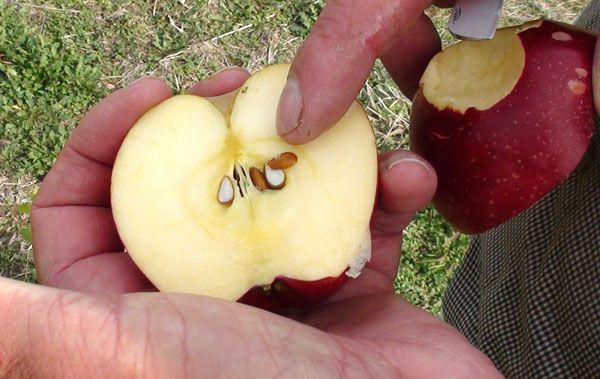 Pre-Pruning Fruit Trees
 Fruit Tree Sizes
Fruit Trees: Years to Fruit
Fruit Tree Sizes
Fruit Trees: Years to Fruit
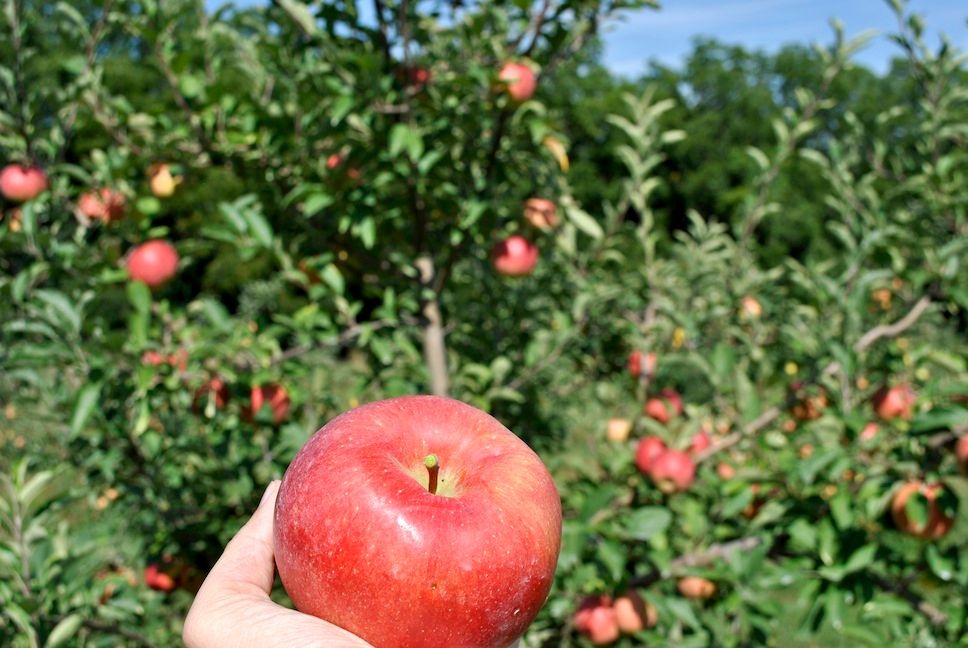 Fruit Tree Care: Planting Fruit Trees
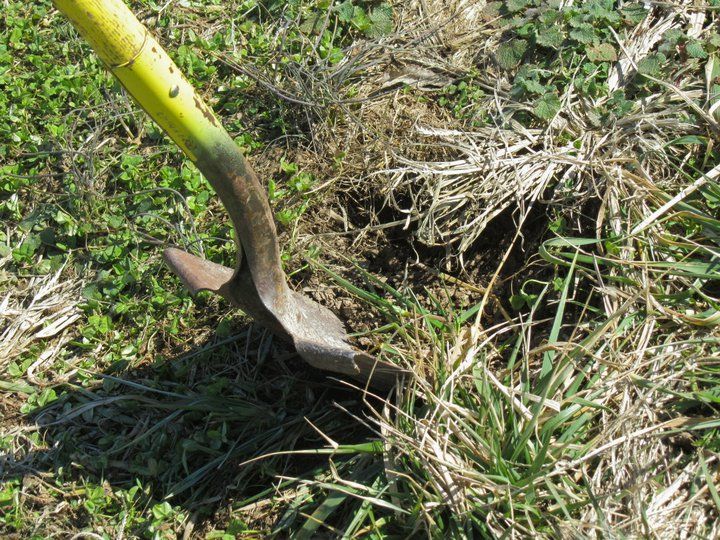 Successful Fruit Tree Pruning