
Elliott Blueberry Plant
Description
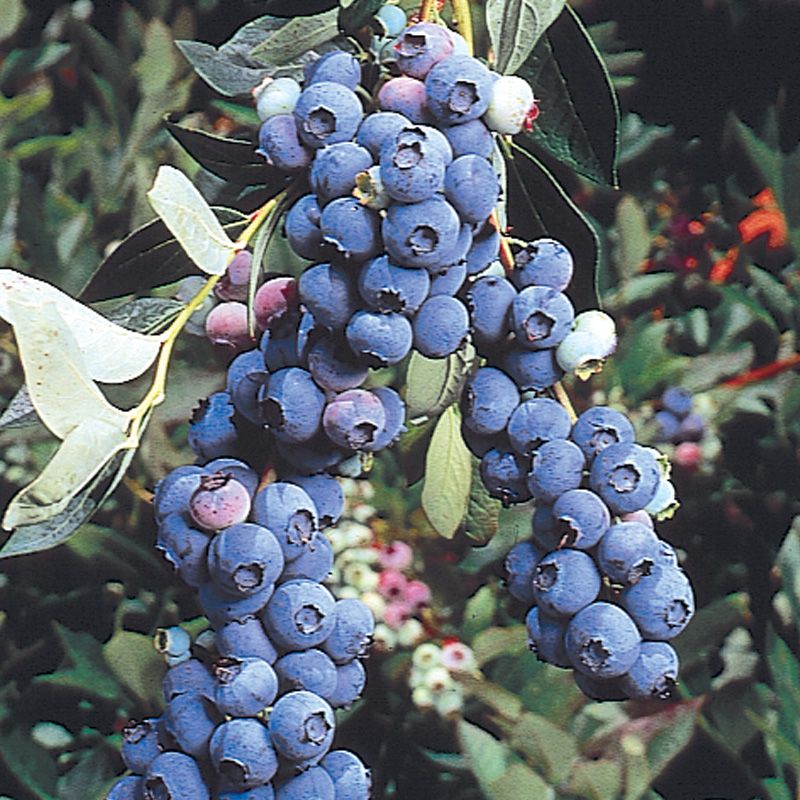
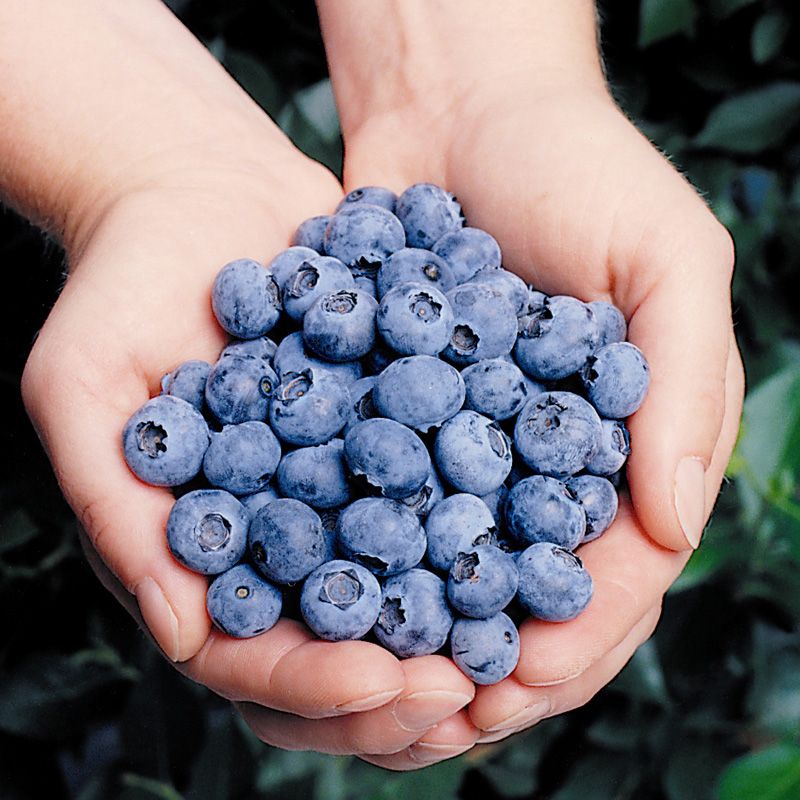
Elliott Blueberry is the last fresh blueberry of the season — a late-August highbush variety that keeps producing sweet, firm, medium-to-large berries when most other blueberry varieties have been done for weeks. For home gardeners who want to extend the fresh blueberry season as long as possible, Elliott is the natural final chapter: plant it alongside early-season Duke and mid-season Blueray and you’ll have fresh homegrown blueberries from late May through August. Bright burgundy stems add genuine winter ornamental interest. Late bloom timing avoids most spring frost events. Self-pollinating, introduced 1973, cold-hardy, bears in 2–3 years.
August Ripening — The Last Fresh Blueberry of the Season
The late-August ripening is the most practically valuable thing about Elliott for home gardeners who want the longest possible fresh blueberry season. By August, most highbush varieties are finished. Elliott is just arriving. The firm, medium-to-large berries with sweet flavor hold up well through late-summer heat and pick cleanly from the cane, delivering one final generous harvest that extends the season well past what earlier varieties can provide.
Bright Burgundy Stems — Year-Round Ornamental Interest
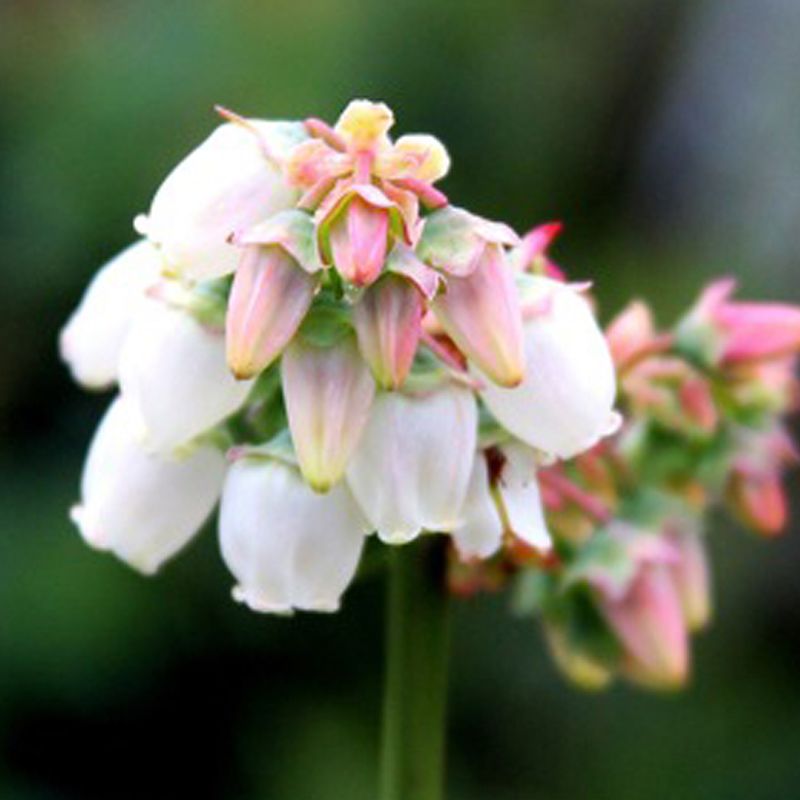
Elliott’s bright burgundy stems provide genuine winter ornamental interest after the leaves drop, giving the plant a visually attractive presence through the dormant season that most other blueberry varieties can’t match. The pink-tinged white spring flowers add a third season of ornamental value, making Elliott a four-season landscape plant as well as a productive fruiting shrub.
Late Bloom — Natural Spring Frost Avoidance
Like Duke, Elliott’s late bloom timing moves the vulnerable flowering period past the window when most late spring frosts occur, supporting more consistent annual fruit set in northern and transitional-zone gardens where frost events in May are a reliable seasonal risk.
Why Growers Choose Elliott Blueberry
- The last blueberry of the season — August ripening after most highbush varieties are done
- Firm, sweet, medium-to-large berries — outstanding fresh and for freezing
- Bright burgundy winter stems — year-round ornamental interest
- Late bloom timing — natural spring frost avoidance for more consistent harvests
- Introduced 1973 — 50+ years of proven cold-hardy northern performance
- Self-pollinating, bears in 2–3 years — productive with just one plant
Survival Guaranteed!

Since 1816, Stark Bro’s has promised to provide customers with the very best fruit trees and plants. It’s just that simple. If your trees or plants do not survive, please let us know within one year of delivery. We will send you a free one-time replacement, with a nominal shipping fee of $9.99. If the item in question is not available, we can issue you a refund. Read more about our warranty policy.
Characteristics
| Characteristic Name | Value |
|---|---|
| Bloom Color | Pink, White |
| Bloom Time | Late |
| Chill Hours | 800 - 1000 |
| Fruit Color | Blue |
| Fruit Size | Medium - Large |
| Hardiness Zone Range | 4 - 8 |
| Pollination | Self-Pollinating |
| Ripens/Harvest | August |
| Characteristic Name | Value |
|---|---|
| Shade/Sun | Full Sun |
| Soil Composition | Loamy |
| Soil Moisture | Well Drained |
| Soil pH Level | 4.5 - 5.5 |
| Taste | Sweet |
| Texture | Firm |
| Years to Bear | 2 - 3 |
Size & Spacing
Mature Size
Recommended Spacing
Zone Compatibility
Pollination
This variety is self pollinating.
Tools & Supplies
Planting & Care
Learn all about how to grow blueberry plants in The Growing Guide. An entire section of our website dedicated to your growing success.