
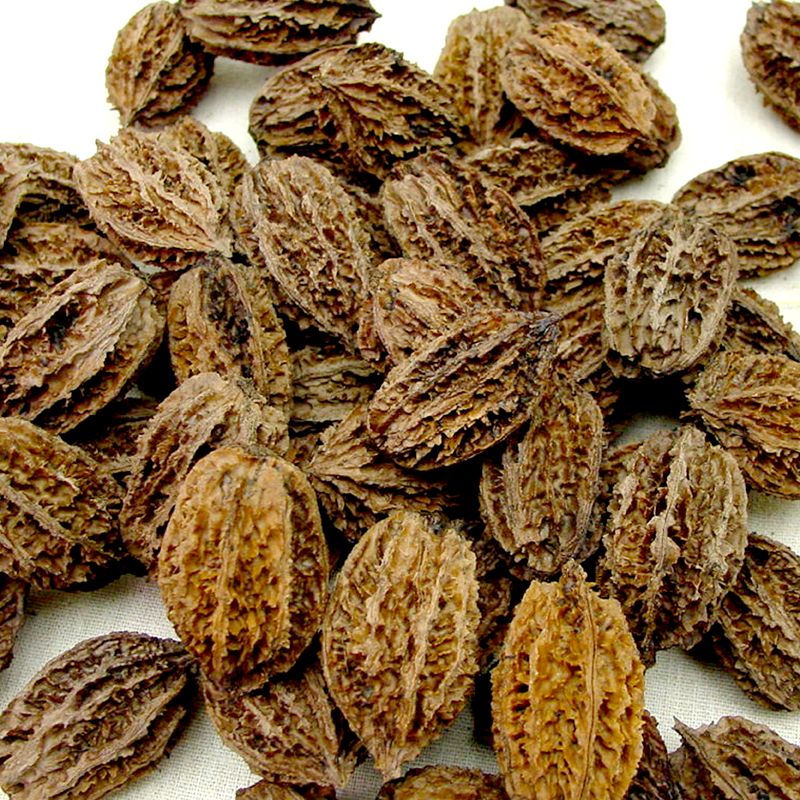

Description
Also called white walnut
Matures to produce heavy crops of walnuts each year for baking, confections, and fresh-eating. Bears young. Attractive foliage and spreading canopy bring abundant shade. Tolerates moist soils. Cold-hardy and heat-tolerant. Ripens in mid-September through October. Seedling. For proper pollination, plant two or more of the same variety.
Characteristics
| Characteristic Name | Value |
|---|---|
| Bloom Color | Green, Yellow |
| Fruit Color | Brown |
| Fruit Size | Medium |
| Hardiness Zone Range | 3 - 7 |
| Pollination | Pollinator Required |
| Ripens/Harvest | September/october |
| Characteristic Name | Value |
|---|---|
| Shade/Sun | Full Sun |
| Soil Composition | Loamy |
| Soil Moisture | Well Drained |
| Soil pH Level | 6.0 - 7.0 |
| Taste | Buttery |
| Years to Bear | 3 - 5 |
Zone Compatibility
This Variety's Zone Range
3 - 7
My Hardiness Zone
?
The USDA hardiness zones offer a guide to varieties that will grow well in certain climates. Each zone corresponds to the minimum winter temperatures experienced in a given area. Make sure that your hardiness zone lies within the zone compatibility range of this variety before ordering.
Pollination
This variety requires another one for adequate pollination.
Cross-pollination by a different variety is key to its growing and bearing success. Plant one of these varieties within 100' for best pollination.
Tools & Supplies
Having the proper tools and supplies when growing your own can make the difference between a good harvest and a great harvest! Here's a list that our experts recommend for this variety.
Planting & Care
Learn all about how to grow walnut trees in The Growing Guide. An entire section of our website dedicated to your growing success.